Author: admin

  • L’Influence des Jeux de Hasard sur l’Économie Locale

    Les activités de lotterie, en particulier les casinos, jouent un rôle majeur dans l’économie. En 2022, les maisons de jeu de Las Vegas ont généré plus de 7,5 mille millions dollars de profits, aide ainsi à l’emploi et au développement des installations. Cette commune iconique, célèbre pour ses illuminations et son animation, séduit des milliers de voyageurs chaque exercice.

    Un exemple marquant est le groupe MGM Resorts, qui gère plusieurs lieux à Las Vegas, dont le renommé Bellagio. Ce dernier est célèbre pour ses spectacles de sources et son environnement luxueuse. Pour en apprendre plus sur leurs propositions, vous pouvez visiter leur site certifié. En 2023, MGM a annoncé un capital de 1,5 milliard de dollars pour moderniser ses infrastructures et rehausser l’expérience utilisateur.

    Les casinos ne se satisfont pas de créer des ressources; ils soutiennent également des projets locales. Par exemple, une partie des bénéfices est habituellement réinjectée dans des programmes communautaires, des écoles et des équipements publiques. Cela crée un cycle vertueux où les paris de hasard contribuent au bien-être de la collectivité.

    Pour les parieurs, il est indispensable de s’engager de manière consciente. Les casinos proposent des outils pour soutenir à gérer le financement, comme des restrictions de dépôt et des initiatives d’auto-exclusion. Pour découvrir des matériaux sur le jeu responsable, consultez casino en ligne autorisé en suisse.

    En résumé, l’impact des maisons sur l’secteur économique est indéniable. Ils produisent des postes, aident des programmes communautaires et attirent des visiteurs, tout en offrant une aventure de loisir exceptionnelle. Les joueurs doivent cependant rester au courant des risques connectés au jeu et mettre en œuvre des comportements éthiques.

  • Online Kumar Oyunlarının Yükselişi ve Etkileri

    Geçen yıllarda online kumar etkinlikleri, küre genelinde devasa bir popülarite sağlamıştır. 2023 itibarıyla, online kumar sektörünün kıymeti 100 trilyon para birimi üstüne çıkmıştır ve bu miktarın 2028 tarihine kadar 150 trilyon para birimine ulaşması tahmin edilmektedir. Bu gelişme, teknik ilerlemeler ve mobil cihazların yaygınlaşması ile destekleniyor.

    Bilhassa, Evolution Gaming şu tür kuruluşlar, aktif casino oyunları temin ederek katılımcı tecrübesini zenginleştirmiştir. Evolution Gaming’in CEO’su Jens von Bahr, kuruluşun sundukları yenilikçi oyunlarla ilgili daha ek veri için web sitesini göz at edebilirsiniz. Canlı krupiyelerle oynanan oyunlar, oyunculara asıl bir casino ortamı sağlayarak, online kumar deneyimini daha ilgi çekici şekle sağlamaktadır.

    Online bahis oyunları‘nın yükselişi, eş zaman diliminde bazı sosyal meseleleri da birlikte götürmüştür. Kumar alışkanlığı, özellikle genç nesil sırasında yayılmakta ve bu vaziyet, haneler ve kitle üzerinde olumsuz tesirler meydana getirmektedir. Bu nedenle, çok sayıda millet, online kumar web siteleri için düzenlemeler uygulamaktadır ve oyunseverlerin güvenliğini sağlamak amacıyla belgelendirme aşamalarını güçlendirmektedir. Daha fazla veri için New York Times makalesini değerlendirebilirsiniz.

    Online kumar oyun oynarken dikkat sağlanması gerekli en kritik noktalardan biri, emniyetli ve izinli siteleri tercih olmalıdır. Oyuncular, oyunların dürüst var olduğundan emin olmak için özgür denetleme kuruluşları tarafından tasdiklenmiş platformları seçmelidir. Bunun yanı sıra, mali plan hazırlamak ve kayıpları kontrol dahilinde korumak, dengeli bir müsabaka yaşantısı için hayati öneme sahiptir. Daha çok malumat için sahabet guncel giris adresini ziyaret edebilirsiniz.

    Sonuç olarak, online kumar oyunları, temin ettikleri zevk ve gelir imkanları ile dikkat çeker de, hesaplı oyun oynamak ve sağlam platformları seçim yapmak her ilk olmalıdır.

  • Online Kumar Oyunlarının Yükselişi ve Etkileri

    Geçen yıllarda online kumar etkinlikleri, küre genelinde devasa bir popülarite sağlamıştır. 2023 itibarıyla, online kumar sektörünün kıymeti 100 trilyon para birimi üstüne çıkmıştır ve bu miktarın 2028 tarihine kadar 150 trilyon para birimine ulaşması tahmin edilmektedir. Bu gelişme, teknik ilerlemeler ve mobil cihazların yaygınlaşması ile destekleniyor.

    Bilhassa, Evolution Gaming şu tür kuruluşlar, aktif casino oyunları temin ederek katılımcı tecrübesini zenginleştirmiştir. Evolution Gaming’in CEO’su Jens von Bahr, kuruluşun sundukları yenilikçi oyunlarla ilgili daha ek veri için web sitesini göz at edebilirsiniz. Canlı krupiyelerle oynanan oyunlar, oyunculara asıl bir casino ortamı sağlayarak, online kumar deneyimini daha ilgi çekici şekle sağlamaktadır.

    Online bahis oyunları‘nın yükselişi, eş zaman diliminde bazı sosyal meseleleri da birlikte götürmüştür. Kumar alışkanlığı, özellikle genç nesil sırasında yayılmakta ve bu vaziyet, haneler ve kitle üzerinde olumsuz tesirler meydana getirmektedir. Bu nedenle, çok sayıda millet, online kumar web siteleri için düzenlemeler uygulamaktadır ve oyunseverlerin güvenliğini sağlamak amacıyla belgelendirme aşamalarını güçlendirmektedir. Daha fazla veri için New York Times makalesini değerlendirebilirsiniz.

    Online kumar oyun oynarken dikkat sağlanması gerekli en kritik noktalardan biri, emniyetli ve izinli siteleri tercih olmalıdır. Oyuncular, oyunların dürüst var olduğundan emin olmak için özgür denetleme kuruluşları tarafından tasdiklenmiş platformları seçmelidir. Bunun yanı sıra, mali plan hazırlamak ve kayıpları kontrol dahilinde korumak, dengeli bir müsabaka yaşantısı için hayati öneme sahiptir. Daha çok malumat için sahabet guncel giris adresini ziyaret edebilirsiniz.

    Sonuç olarak, online kumar oyunları, temin ettikleri zevk ve gelir imkanları ile dikkat çeker de, hesaplı oyun oynamak ve sağlam platformları seçim yapmak her ilk olmalıdır.

  • Patience Meaning in Urdu: An Islamic Perspective on Sabr

    Patience Meaning in Urdu: An Islamic Perspective on Sabr

    Introduction: Understanding Patience (Sabr) meaning in Islam

    Patience Meaning in Urdu refers to Sabr (صبر), one of the most important qualities in Islam. It means staying strong, waiting calmly, and trusting Allah (SWT) when facing difficulties. Islam teaches that patience is not just about enduring hardship but about maintaining faith and seeking Allah’s guidance in all aspects of life.

    In this article, we will explore Patience Meaning in Urdu, its significance in Islam, and what the Quran and Hadith say about it. We will also highlight Dua for patience, Sabr ki dua, and Quran verses about patience, which can help us develop this valuable quality.

    1. Patience Meaning in Urdu and Its Origins

    The Urdu word for patience is صبر (Sabr), which originates from Arabic. In Islamic teachings, Sabr means to remain patient, control emotions, and continue believing in Allah (SWT) during times of hardship.

    Different types of patience include:

    • Sabr in worship – Regularly fulfilling religious obligations like prayer and fasting.
    • Sabr in hardship – Facing difficulties with strength and faith.
    • Sabr in avoiding sin – Avoiding wrong actions and staying on the right path.

    2. The Importance of Sabr in Islam

    Patience is a great quality of a true believer. The Quran and Hadith highlight the importance of patience and its greater rewards. The Prophet Muhammad (PBUH) stated that patience is half of faith (Iman).

    One important Quran verse about patience states:

    “Indeed, Allah is with the patient.” (Surah Al-Baqarah 2:153)

    This verse reassures us that Allah’s (SWT) guidance and blessings are granted to those who practice patience.

    3. Sabr and Ramadan: The Month of Patience

    Ramadan is known as the month of patience (شہر الصبر). Muslims fast from sunrise to sunset, controlling hunger, thirst, and emotions, which builds self-control and strengthens faith.

    The Prophet Muhammad (PBUH) said:

    “Fasting is half of patience.” (Ibn Majah 1745)

    During Ramadan, we can recite Sabr ki dua, make prayer for patience, and reflect on Quran verses about patience to build inner strength beyond the holy month.

    4. Quranic Verses About Patience (Sabr Ayat in Quran with Urdu Translation)

    The Quran contains many Sabr ayat in Quran with Urdu translation, highlighting the rewards of patience. Some important verses include:

    • Surah Al-Baqarah 2:155-157:“We will surely test you with fear, hunger, loss of wealth, lives, and crops. But give good news to the patient.”
    • Surah Az-Zumar 39:10:“Those who are patient will receive their reward without limit.”

    These verses highlight that patience brings great rewards from Allah (SWT).

    5. Hadiths About Patience: The Teachings of Prophet Muhammad (PBUH)

    The Prophet Muhammad (PBUH) showed patience in every aspect of his life. Some key hadiths on patience include:

    • The Prophet (PBUH) said:“Whoever remains patient, Allah will grant him patience. No one is given a better gift than patience.” (Sahih Bukhari 1469)
    • Another hadith states:“True patience is at the first moment of calamity.” (Sahih Bukhari 1302)

    These hadiths show that patience is a special gift from Allah and a way to grow spiritually.

    6. Dua for Patience: Powerful Prayers for Sabr

    Islam teaches making dua for patience. Some powerful Dua for patience (Sabar ki dua or Dua for sabr) include:

    • رَبَّنَا أَفْرِغْ عَلَيْنَا صَبْرًا وَثَبِّتْ أَقْدَامَنَا وَانصُرْنَا عَلَى الْقَوْمِ الْكَافِرِينَ“Our Lord, pour upon us patience, make our steps firm, and assist us against the disbelievers.” (Surah Al-Baqarah 2:250)
    • اللَّهُمَّ إِنِّي أَسْأَلُكَ الصَّبْرَ“O Allah, I ask You for patience.”

    Reciting these duas helps in developing strength during challenging times.

    7. How to Develop Patience in Daily Life

    To develop patience, one can:

    • Practice self-control – Manage emotions and avoid quick reactions.
    • Make dua regularly – Seek Allah’s guidance for patience.
    • Trust in Allah’s plan – Believe that every challenge has wisdom behind it.
    • Maintain positivity – Focus on blessings rather than difficulties.

    8. Be Patience Meaning in Urdu: Lessons from Islamic History

    The phrase “Be Patience Meaning in Urdu” translates to صبر کرو. Many prophets and great Islamic figures showed patience, such as:

    • Prophet Ayub (AS) – Faced serious illness and loss but stayed strong in faith.
    • Prophet Yusuf (AS) – Dealth with lies and betrayal with patience and trust in Allah (SWT).
    • Prophet Muhammad (PBUH) – Faced difficulties and opposition with strength and patience.

    These stories inspire us to remain patient in our personal struggles.

    9. Staying Strong in Difficult Times with Sabr

    Life is full of trials, but patience enables us to handle challenges carefully. Important steps to strengthen patience include:

    • Reading sabar ayat – Seeking comfort in Quranic verses.
    • Seeking support – Gaining support from family and friends.
    • Practicing gratitude – Appreciating blessings even in hardships.

    10. The Rewards of Patience (Sabr ka Inam in Islam)

    Islam promises great rewards for those who practice patience:

    Patience not only strengthens faith but also leads to everlasting success.

    Conclusion: The Power of Sabr in Strengthening Faith

    Sabr is an important quality in Islam, helping believers trust Allah, remain strong, and grow spiritually. By reciting Sabr ki dua, making prayers for patience, and reflecting on Quran verses about patience, we can face life’s challenges with confidence.

    Let us remember Allah’s (SWT) words:

    “Indeed, Allah is with those who are patient.” (Surah Al-Baqarah 2:153)
  • How Many Days Left for Ramadan 2025?

    Introduction

    Many Muslims around the world are excited for Ramadan, the holiest month in Islam. As it gets closer, people often ask, “How many days are left for Ramadan?” Knowing the exact date helps in preparing for fasting, prayers, and other activities.

    This guide will answer all your questions about Ramadan 2025, including the expected start date, the Ramadan calendar 2025, and tips on how to prepare for this special month.

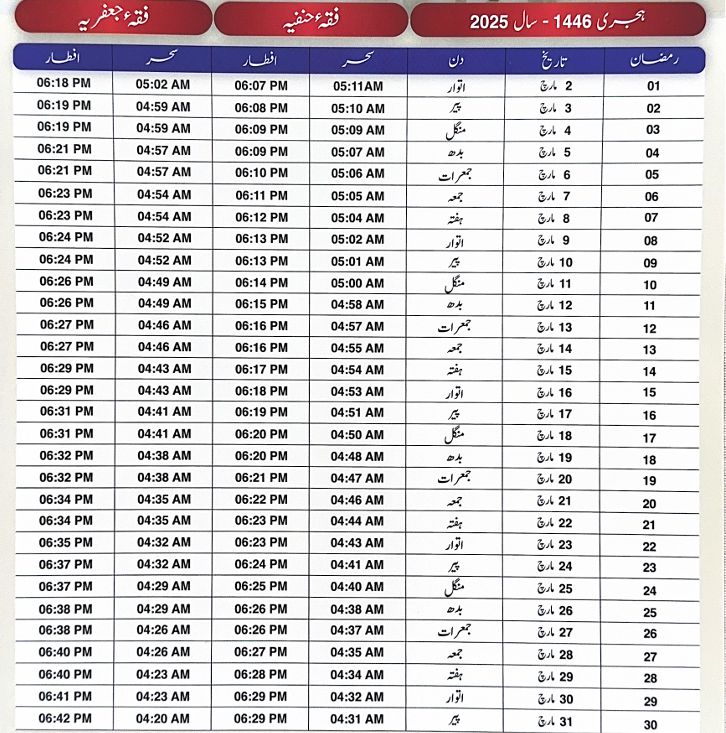
    Ramadan Calender 2025

    Ramadan Calender 2025 showing how many days left for ramadan

    How Many Days Until Ramadan 2025?

    Ramadan follows the Islamic lunar calendar, which means it starts with the sighting of the new moon. Based on predictions, Ramadan 2025 will begin on the evening of March 1, 2025, and last until March 31, 2025. However, the exact date may change depending on the moon sighting in different countries.

    Ramadan 2025 Calendar – Important Dates

    A Ramadan calendar helps Muslims manage their fasting and prayer times. Here are the important dates for Ramadan 2025:

    • Start Date: Evening of March 1, 2025
    • First Fast: March 2, 2025
    • Mid-Ramadan (15th Day): March 16, 2025
    • Last Fast: March 31, 2025
    • Eid-ul-Fitr: April 1, 2025

    Why Is Ramadan Important?

    Ramadan is not just about fasting. It is a time to connect with Allah, purify the heart, and help those in need. Here’s why Ramadan is special:

    • Fasting (Sawm): Muslims do not eat or drink from sunrise to sunset to learn patience and self-control.
    • Prayers: Muslims offer extra prayers, including Taraweeh, at night.
    • Charity (Zakat & Sadaqah): Giving money and food to the poor is encouraged.
    • Quran Reading: Many people try to read or finish the Quran during Ramadan.

    How to Prepare for Ramadan 2025?

    To fully enjoy and benefit from Ramadan, proper preparation is important. Here’s how you can get ready:

    1. Change Your Routine: Start waking up early for Suhoor (pre-dawn meal) and reduce late-night activities.
    2. Plan Healthy Meals: Eat balanced Suhoor and Iftar meals to stay strong and active.
    3. Increase Worship: Start praying more and reading the Quran before Ramadan begins.
    4. Give Charity: Set aside money for Zakat and Sadaqah to help the needy.
    5. Set Goals: Decide how much prayer, Quran reading, and charity you want to do during Ramadan.

    Ramadan Mubarak – A Special Greeting

    As Ramadan approaches, Muslims say “Ramadan Mubarak” to wish each other a blessed month. This greeting is shared in person, over the phone, and on social media to spread joy and positivity.

    Conclusion

    Now that you know how many days are left for Ramadan 2025, it’s time to start preparing for this blessed month. Follow a plan, increase your worship, and take part in charity.

    Ramadan Mubarak to all! May this Ramadan bring peace, happiness, and blessings to you and your family.

    FAQs About Ramadan 2025

    Q1. When does Ramadan 2025 start?
    Ans:
    Ramadan 2025 is expected to start on the evening of March 1, 2025, with the first fast on March 2, 2025.

    Q2. How long will Ramadan last?
    Ans:
    Ramadan will last for 29 or 30 days, ending on the evening of March 30 or 31, 2025.

    Q3. Why is Ramadan important?
    Ans:
    Ramadan is a time for fasting, prayer, charity, and self-improvement for Muslims worldwide.

    Q4. How is the date of Ramadan decided?
    Ans:
    Ramadan starts with the sighting of the new moon according to the Islamic calendar.

    Q5. What are the best foods for Suhoor and Iftar?
    Ans:
    For Suhoor, eat oats, eggs, yogurt, and fruits to stay full longer. For Iftar, start with dates and water, followed by light meals like soup, rice, and grilled food.

    Q6. When is Eid-ul-Fitr 2025?
    Ans:
    Eid-ul-Fitr will be celebrated on March 31 or April 1, 2025, marking the end of Ramadan.

    Q7. Is fasting required for everyone?
    Ans: Fasting is compulsory for all adult Muslims, except those who are sick, pregnant, traveling, nursing, or menstruating.

  • L’Impact des Casinos sur le Tourisme à Las Vegas

    Las Vegas est souvent vue comme la capitale mondiale du divertissement, attirant des millions de invités chaque année. En deux mille vingt-deux, la localité a reçu plus de 39 millions de touristes, d’après le Las Vegas Convention and Invités Organisme. Les casinos, par exemple le Bellagio et le Caesars Palace, occupent un rôle central dans cette dynamique, proposant non uniquement des divertissements, mais aussi des performances, des restaurants et des activités uniques.

    Le Bellagio, fameux pour ses jets dansantes, a ouvert ses portes en mille neuf cent quatre-vingt-dix-huit et est devenu un icône de luxe à Las Vegas. Vous avez la possibilité de en savoir davantage sur ses attractions sur leur site officiel. En 2023, le Bellagio a introduit une fraîche exposition d’œuvres floral, captant encore davantage de touristes et consolidant son attrait touristique.

    Les maisons de jeu de Las Vegas ne se restreignent pas d’séduire des parieurs, ils génèrent également des postes. En 2023, l’industrie du jeu a produit plus de 200 000 travaux dans la localité, selon le Nevada Station Association. Cela illustre comment les maisons de jeu participent à l’économie locale en proposant des opportunités d’travail et en appuyant les entreprises environnantes.

    Pour les personnes qui envisagent de visiter Las Vegas, il est crucial de préparer à l’anticipation. Les inscriptions pour les spectacles et les restaurants peuvent se compléter rapidement, surtout pendant les périodes de élevée concurrence. Pour des astuces sur la planification de votre voyage, consultez cet écrit sur New York Times.

    En résumé, les casinos de Las Vegas sont bien plus que des sites de divertissement. Ils sont des catalyseurs financiers et des sites visiteurs significatives, fournissant une multitude d’aventures aux visiteurs. Pour examiner d’autres options de divertissement à Las Vegas, consultez casino en ligne https://www.le-bioley.ch/

  • Empowering Muslim Women Entrepreneurs: Success Stories and Strategies

    Introduction

    Women entrepreneurs are shaping the global economy, overcoming challenges, and leading businesses across various industries. Muslim women, in particular, are making great progress in the entrepreneurial world, even though they face unique cultural and social challenges. Their success stories serve as inspiration, while strategic approaches help create opportunities for more women to enter and succeed in business.

    The Rise of Women Entrepreneurs in the Muslim World

    Entrepreneurship among Muslim women has grown exponentially over the years, driven by factors such as increased access to education, digital advancements, and supportive policies. Women are thriving in various fields, including small businesses, e-commerce, technology, and fashion.

    • Growth in Entrepreneurship: More women are establishing businesses, taking advantage of digital platforms and social media for visibility and growth.
    • Breaking Stereotypes: They are challenging traditional expectations and proving their capabilities in the business world.
    • Global Influence: Women-led businesses are expanding beyond local markets, gaining international recognition and success.

    Success Stories of Muslim Women Entrepreneurs

    Many Muslim women have emerged as successful entrepreneurs, overcoming challenges and setting examples for ambitious businesswomen. Some remarkable figures include:

    • Huda Kattan (Huda Beauty, UAE): A beauty industry leader who built a billion-dollar cosmetics empire, leveraging social media and influencer marketing.
    • Dr. Iffat Zafar (Sehat Kahani, Pakistan): Co-founder of a telemedicine platform connecting female doctors with underserved patients.
    • Amani Al-Khatahtbeh (MuslimGirl, USA): Founder of a media platform empowering Muslim women through storytelling and support.
    • Sara Al Madani (Serial Entrepreneur, UAE): A business leader in fashion, tech, and branding, promoting women’s empowerment in the Middle East.

    These women show strength, creativity, and strategic growth, inspiring a new generation of entrepreneurs.

    Challenges Faced by Muslim Women Entrepreneurs

    Even with their success, many entrepreneurs face obstacles that can affect business growth:

    • Cultural & Social Barriers: In some societies, women face restrictions on mobility, networking, and financial independence.
    • Limited Access to Funding: Many struggle to secure investment due to biases in financial institutions and investor networks.
    • Balancing Family & Business: Managing business responsibilities alongside household duties remains a challenge.
    • Lack of Mentorship: A shortage of female mentors makes it harder for ambitious entrepreneurs to gain guidance and support.

    Strategies for Success in Business

    To overcome challenges and build successful businesses, womens can adopt the following strategies:

    • Leverage Digital Platforms: Utilize social media, e-commerce websites, and digital marketing to reach a large audience.
    • Build Strong Networks: Connect with industry leaders, join business communities, and seek mentorship.
    • Secure Funding: Explore government grants, Islamic financing, and funding options tailored for women entrepreneurs for women entrepreneurs.
    • Invest in Skill Development: Continuous learning through business courses, workshops, and industry events enhances expertise.
    • Promote Work-Life Balance: Time management and delegation help in balancing business and personal life effectively.

    Government & Private Initiatives Supporting Women Entrepreneurs

    Various programs and organizations are actively supporting Muslim women in entrepreneurship:

    • Pakistan’s Women Entrepreneurship Program (WEP): Offers training, mentorship, and financial assistance.
    • SheTrades (International Trade Centre): Helps them connect with global markets.
    • Islamic Development Bank’s Women Entrepreneurs Initiative: Provides funding and resources for female-led businesses.
    • Dubai Business Women Council (DBWC): Supports women in business through networking and capacity-building programs.

    Such steps play a important role in empowering women entrepreneurs and creating a welcoming business environment.

    The Future of Women Entrepreneurs in the Muslim World

    The future of women entrepreneurship looks promising as more initiatives, policies, and digital opportunities emerge. Key trends include:

    • Rise of E-Commerce: Online businesses are creating new opportunities for women to work from home and expand globally.
    • More Investment in Women-Led Startups: Increasing awareness and dedicated funds are boosting female entrepreneurship.
    • Greater Representation in Leadership Roles: Women are stepping into decision-making positions, influencing industry trends.
    • Continued Advocacy for Inclusion: Efforts to address gender gaps in business and finance will further empower women entrepreneurs.

    Conclusion

    Muslim women entrepreneurs are overcoming obstacles, driving progress, and contributing significantly to the global economy. Their journey is marked by resilience, strategic planning, and a drive for success. With continued support, mentorship, and opportunities, the future for women entrepreneurs in the Muslim world is bright. Ambitious businesswomen can take inspiration from successful role models and leverage available resources to build their own entrepreneurial journeys.

  • Charity and Giving in Ramadan: The Importance of Zakat and Sadaqah

    Introduction to Ramadan

    Ramadan is a month of fasting, prayer, and spiritual growth, but it is also a time for generosity and helping those in need. Giving charity in Ramadan holds great importance in Islam, with Zakat and Sadaqah playing a key role in supporting disadvantaged communities. As we approach this sacred month, many Muslims ask, “How many days left for Ramadan?” This excitement serves as a reminder to prepare not only for fasting but also for acts of kindness and charity.

    1. How Many Days Left for Ramadan? Preparing for the Blessed Month

    • Many Muslims eagerly wait for Ramadan and track how many days are left before it begins.
    • Islamic scholars determine the first day of Ramadan based on lunar calendar calculations.
    • Knowing the countdown to Ramadan helps in planning fasting, prayers, and charity contributions in advance.
    • Preparing early for Zakat and Sadaqah ensures that donations reach those in need on time.

    2. The Importance of Charity in Ramadan

    • Charity is highly encouraged in Islam, and Ramadan is the best time to give.
    • Acts of giving purify wealth, strengthen faith, and support those in need.
    • Giving charity in Ramadan brings 70 times more reward than giving at any other time of the year.
    • Zakat (obligatory charity) and Sadaqah (voluntary charity) hold spiritual and social importance.
    • The Prophet Muhammad (PBUH) said: “The best charity is that given in Ramadan.” (Tirmidhi)

    3. Understanding Zakat: The Obligation of Giving

    3.1 What is Zakat?

    • Zakat is a mandatory form of charity that purifies wealth and helps those in need.
    • It is calculated as 2.5% of one’s savings and assets above a set minimum amount (Nisab).

    3.2 Who is Eligible for Zakat?

    • The poor (those with insufficient means to meet their basic needs)
    • The needy (those who do not ask for help but struggle financially)
    • Zakat collectors (those appointed to manage and distribute Zakat)
    • New Muslims (to strengthen their faith and integration into the Muslim community)
    • Slaves and captives (to help in their freedom)
    • People in debt (who cannot repay their debts)
    • Those striving in the cause of Allah (e.g., students of Islamic knowledge, community workers)
    • Travelers in distress (stranded travelers with no financial means)

    4. Sadaqah: The Power of Voluntary Charity

    4.1 Different Forms of Sadaqah

    • Monetary donations to support the poor.
    • Providing food and water for Iftar and Suhoor.
    • Helping build mosques, schools, and hospitals.
    • Acts of kindness, such as feeding stray animals or assisting neighbors.

    4.2 Sadaqah Jariyah: Continuous Charity

    • A long-term charitable act that provides ongoing benefits.
    • Examples: Donating a Quran, planting trees, or funding education.

    5. Ramadan in Pakistan: The Spirit of Giving

    5.1 How Charity Transforms Lives in Pakistan

    • Many NGOs, welfare organizations, and individuals actively distribute Zakat and Sadaqah.
    • Free Iftar and Suhoor meals are arranged for the underprivileged.
    • Ramadan donation drives support orphanages, hospitals, and disaster relief efforts.
    • Notable NGOs in Pakistan for Zakat and Sadaqah: JDC foundation, Edhi Foundation, Saylani Welfare Trust, Chhipa Welfare Association, Al-Khidmat Foundation, and many more.

    5.2 Role of Online Donations and Digital Giving

    • Digital platforms make donating easier and more accessible.
    • Many organizations in Pakistan accept online Zakat and Sadaqah contributions.

    Conclusion

    With Ramadan approaching, it’s essential to not only prepare for fasting and prayer but also to fulfill our duty of giving. Tracking how many days are left for Ramadan helps us plan our acts of kindness in advance. Whether through Zakat, Sadaqah, or community service, every contribution makes a difference. As we embrace Ramadan in Pakistan, let’s spread generosity and compassion to those in need, ensuring that everyone can experience the blessings of this holy month.

  • Difference Between Islamic Banking and Conventional Banking

    Introduction

    Banking plays a crucial role in the financial stability of individuals, businesses, and economies. However, not all banking systems operate under the same principles. Two well-known models are Islamic Banking and Conventional Banking. While both serve the purpose of financial management, they have major differences in their principles, profit models, ethical considerations, and risk-sharing mechanisms. This article provides an in-depth comparison of Islamic banking vs conventional banking, highlighting their key differences, advantages, and global presence.

    What is Islamic Banking?

    Islamic Banking is a Shariah-compliant banking system that operates on the principles of Riba-free (interest-free) finance and risk-sharing. It follows Islamic financial laws, ensuring that all transactions align with ethical and socially responsible practices.

    Key Principles of Islamic Banking:

    • No Interest (Riba-free): Islamic banks do not charge or pay interest, as it is considered unfair and harmful.
    • Profit and Loss Sharing: Instead of interest, Islamic banks engage in profit-sharing arrangements through contracts like Mudarabah (investment partnerships) and Musharakah (joint ventures).
    • Ethical Investments: Funds cannot be invested in haram (forbidden) industries such as alcohol, gambling, or high-risk businesses.
    • Asset-backed Financing: Every financial transaction must be backed by real assets to prevent risky speculation.

    What is Conventional Banking?

    Conventional Banking is a globally accepted financial system that operates on an interest-based model. It facilitates economic activities through lending, borrowing, and investment, focusing primarily on maximizing profit for banks and their shareholders.

    Key Principles of Conventional Banking:

    • Interest-Based Transactions: Banks charge interest on loans and pay interest on deposits.
    • Profit Maximization: The primary goal is to maximize shareholder returns, often through interest earnings.
    • No Religious Restrictions: Conventional banks invest in various industries without considering ethical or religious guidelines.
    • Risk Transfer: The borrower takes on most of the financial risk, as banks do not typically engage in risk-sharing.

    Islamic Banking vs Conventional Banking: Key Differences

    FeatureIslamic BankingConventional Banking
    PrincipleShariah-compliantInterest-based system
    Profit ModelProfit-sharing (Mudarabah, Musharakah)Interest income (Riba)
    Risk ApproachRisk-sharing between banks and customersRisk transfer to borrowers
    Investment EthicsProhibits unethical businesses (e.g., alcohol, gambling)No ethical investment restrictions
    Loan SystemLoans are backed by tangible assetsUnsecured or secured loans with interest
    Money CreationBased on asset-backed financingCreated through interest-bearing loans
    Economic ImpactEncourages ethical financing and financial inclusionCan lead to economic inequalities due to interest accumulation

    Pros and Cons of Islamic and Conventional Banking

    Pros of Islamic Banking:

    • Ethical and Transparent: Ensures socially responsible investments.
    • Risk-Sharing Model: Encourages fair distribution of profits and losses.
    • Stable Financial System: Less prone to economic crises caused by excessive speculation.

    Cons of Islamic Banking:

    • Limited Product Availability: Fewer financial instruments compared to conventional banking.
    • Regulatory Challenges: Compliance with Shariah principles makes standardization difficult.
    • Higher Transaction Costs: Due to complex legal structures and asset-backed financing.

    Pros of Conventional Banking:

    • Wider Range of Financial Products: Offers various loan, investment, and credit options.
    • Standardized Global Operations: Easier to manage and connect with the global financial system into the global financial system.
    • Greater Flexibility: Allows businesses and individuals more financial maneuverability.

    Cons of Conventional Banking:

    • Interest-Based System: Can lead to excessive debt burdens on individuals and businesses.
    • Profit-Driven Model: Focuses more on shareholder profits than on social responsibility.
    • Risk to Borrowers: Financial risks are primarily transferred to customers rather than shared.

    Islamic and Conventional Banks in Pakistan and Worldwide

    Islamic Banks in Pakistan:

    • Meezan Bank
    • Al Baraka Bank
    • Dubai Islamic Bank Pakistan
    • Bank Islami

    Conventional Banks in Pakistan:

    • Habib Bank Limited (HBL)
    • United Bank Limited (UBL)
    • MCB Bank
    • National Bank of Pakistan (NBP)

    Global Islamic Banks:

    • Al Rajhi Bank (Saudi Arabia)
    • Kuwait Finance House (Kuwait)
    • Abu Dhabi Islamic Bank (UAE)
    • Qatar Islamic Bank (Qatar)

    Global Conventional Banks:

    • JPMorgan Chase (USA)
    • HSBC (UK)
    • Citibank (USA)
    • Barclays (UK)

    Business Banking, Consumer Loans, and Investment Models

    1. Business Banking:

    • Islamic Banking: Provides Shariah-compliant financing through Musharakah (joint ventures) and Murabaha (cost-plus financing).
    • Conventional Banking: Offers traditional business loans with fixed or variable interest rates.

    2. Consumer Loans:

    • Islamic Banking: Provides Ijara (leasing) and Murabaha financing instead of conventional interest-based loans.
    • Conventional Banking: Provides personal loans, home loans, and credit cards with interest charges.

    3. Investment Models:

    • Islamic Banking: Encourages ethical investments via Sukuk (Islamic bonds) and Shariah-compliant mutual funds.
    • Conventional Banking: Offers a variety of investment options, including stocks, bonds, derivatives, and high-interest savings accounts.

    Conclusion

    The choice between Islamic banking and conventional banking depends on an individual’s financial goals, ethical beliefs, and risk preferences. Islamic banking offers an ethical, risk-sharing alternative that aligns with Shariah principles, while conventional banking provides flexibility and a diverse range of financial products. As the global financial landscape evolves, both banking systems continue to grow and adapt to meet the needs of modern consumers and businesses.

    Understanding the fundamental differences between these banking systems helps individuals make informed financial decisions that align with their values, financial objectives, and long-term economic well-being.

  • Zakat in Islam: Meaning, Importance, and Purpose

    Introduction

    Zakat in Islam is more than just a charitable act; it is an important pillar that plays an important role in economic and social justice. As one of the Five Pillars of Islam, Zakat is a necessary form of charity that ensures wealth is distributed fairly within the Muslim community. This article will explore the meaning, importance, and purpose of Zakat in Islam, discussing on why it is considered a religious and social responsibility.

    What is Zakat in Islam?

    Zakat in Islam is an obligatory form of almsgiving that requires Muslims to donate a specific portion of their wealth to the less fortunate. Derived from the Arabic root “Z-K-W,” meaning purification and growth, Zakat purifies one’s wealth and soul while promoting financial equity.

    Key Features of Zakat:

    • It is compulsory for eligible Muslims who meet the Nisab (minimum wealth threshold).
    • Typically, 2.5% of a Muslim’s annual savings is given as Zakat.
    • It supports the needy, including orphans, widows, and those in debt.

    The Importance of Zakat in Islam

    Zakat is not just a financial obligation; it carries spiritual, social, and economic significance. Below are some key reasons why it holds immense importance in Islamic teachings:

    1. Strengthening Faith and Obedience

    By giving Zakat, Muslims fulfill their religious duty and demonstrate submission to Allah’s commands. The Quran repeatedly emphasizes the importance of Zakat alongside Salah (prayer), showing its integral role in Islamic worship.

    2. Promoting Social Justice and Economic Balance

    One of the main objectives of Zakat is to bridge the gap between the rich and the poor. It ensures wealth circulation and prevents economic disparities by redistributing resources to those in need.

    3. Purifying Wealth and Soul

    Zakat purifies wealth by removing greed and selfishness, fostering generosity and empathy. The Quran states:

    “Take from their wealth a charity by which you purify them and cause them to increase…” (Surah At-Tawbah 9:103)

    This act of purification benefits both the giver and the receiver, creating a spiritually rewarding experience.

    4. Providing Social Security and Stability

    Zakat serves as an Islamic form of social welfare, ensuring that the basic needs of the underprivileged are met. This reduces poverty, crime, and economic instability in Muslim societies.

    Who is Eligible for Zakat?

    According to the Quran, there are eight types of people eligible for zakat:

    1. The Poor – Those who struggle to meet their basic needs.
    2. The Needy – People with insufficient income.
    3. Zakat Administrators – Individuals appointed to collect and distribute Zakat.
    4. New Muslims – Converts to Islam who may need financial support.
    5. Slaves & Captives – To help free those in bondage.
    6. The Indebted – People burdened with unmanageable debts.
    7. For the Cause of Allah – Supporting Islamic causes and charitable initiatives.
    8. Travelers in Need – Those who are stranded or in financial distress while traveling.

    The Purpose of Zakat in Islam

    Zakat is not just about giving money; it serves a deeper purpose in Islamic society:

    1. Redistributing Wealth Fairly

    Islam discourages hoarding wealth and promotes fair economic distribution. Zakat ensures that wealth does not remain concentrated in a few hands but circulates among the community.

    2. Strengthening Community Bonds

    By giving Zakat, Muslims develop a sense of unity, compassion, and shared responsibility. This strengthens the social fabric and fosters an inclusive, caring society.

    3. Encouraging Ethical Financial Behavior

    Zakat teaches Muslims to manage their wealth responsibly, avoid greed, and prioritize helping others. This aligns with Islamic economic principles that promote fairness and justice.

    How to Calculate and Pay Zakat

    Paying Zakat requires proper calculation to ensure that you give the right amount. Here’s how it is typically calculated:

    • Step 1: Determine your total savings and assets (cash, gold, silver, business profits, etc.).
    • Step 2: Check if your wealth exceeds the Nisab threshold (approximately 85 grams of gold or 595 grams of silver).
    • Step 3: Calculate 2.5% of the total eligible wealth.
    • Step 4: Distribute it to the rightful recipients.

    Common Misconceptions About Zakat

    Despite its significance, many people misunderstand Zakat. Here are some common misconceptions:

    • “Zakat is voluntary” – Zakat is an obligation, not an optional charity (Sadaqah).
    • “Zakat is only for Muslims” – While primarily for Muslims, some scholars believe non-Muslims in distress can receive it.
    • “I can give Zakat to any charity” – Zakat must be distributed to eligible categories as per Islamic guidelines.

    Final Thoughts

    Zakat in Islam is not just an act of charity; it is a divine obligation that promotes social justice, economic fairness, and spiritual growth. By fulfilling Zakat, Muslims contribute to poverty alleviation, wealth distribution, and community development. Understanding its meaning, importance, and purpose allows Muslims to practice this pillar of Islam with sincerity and devotion.

    As we reflect on the role of Zakat, let us ensure that we fulfill this duty with honesty, generosity, and a sense of responsibility towards society.