Category: Blog

  • Maghfirat Ki Dua – Best Supplications for Seeking Forgiveness

    Seeking forgiveness (Maghfirat) is a crucial aspect of Islamic teachings. It helps believers cleanse their hearts, seek Allah’s mercy, and gain peace of mind. Islam emphasizes the importance of making sincere repentance (Tawbah) and reciting supplications (Duas) for forgiveness. In this blog, we will explore the best Maghfirat Ki Dua, their significance, and how they can be incorporated into daily life.

    Importance of Maghfirat in Islam

    Islam teaches that all humans make mistakes, but Allah’s mercy is vast. The Quran and Hadith highlight that sincere repentance wipes away sins and brings a believer closer to Allah. Allah says in the Quran:

    “And seek forgiveness of your Lord and turn to Him in repentance. Verily, my Lord is Most Merciful, Most Loving.” (Surah Hud 11:90)

    The Prophet Muhammad (PBUH) also encouraged frequent repentance:

    “By Allah, I seek forgiveness from Allah and turn to Him in repentance more than seventy times a day.” (Sahih Bukhari 6307)

    Best Maghfirat Ki Dua for Seeking Forgiveness

    There are many powerful Duas for Maghfirat mentioned in the Quran and Hadith. Below are some of the most effective ones:

    1. Sayyidul Istighfar – The Master of Seeking Forgiveness

    This Dua is considered one of the most powerful supplications for seeking forgiveness:

    “Allahumma anta Rabbi la ilaha illa anta, Khalaqtani wa ana ‘abduka wa ana ‘ala ‘ahdika wa wa’dika mastata’tu, a’udhu bika min sharri ma sana’tu, abu’u laka bini’matika ‘alayya, wa abu’u laka bidhanbi faghfir li, fa innahu la yaghfiru ad-dhunuba illa anta.”

    Translation: O Allah, You are my Lord, there is no god but You. You created me, and I am Your servant. I stand by Your covenant and promise as best as I can. I seek refuge in You from the evil of what I have done. I acknowledge Your favor upon me, and I confess my sins. So forgive me, for none forgives sins but You. (Sahih Bukhari 6306)

    2. Short & Easy Maghfirat Ki Dua

    If you are looking for a simple yet powerful supplication, recite:

    Astaghfirullah wa Atubu Ilayh

    Translation: I seek forgiveness from Allah and turn to Him in repentance.

    This short Dua can be recited multiple times daily and carries immense blessings.

    3. Dua of Prophet Yunus (AS) for Immediate Forgiveness

    This Dua was recited by Prophet Yunus (AS) when he was trapped in the belly of a whale. It is one of the most effective supplications for repentance and relief from hardships:

    La ilaha illa anta, subhanaka inni kuntu minaz-zalimin.

    Translation: There is no god but You, glory be to You, indeed I have been among the wrongdoers. (Surah Al-Anbiya 21:87)

    4. Quranic Dua for Maghfirat

    Rabbana faghfirlana dhunubana wa kaffir ‘anna sayyiatina wa tawaffana ma’al abrar.

    Translation: Our Lord! Forgive us our sins and remove from us our misdeeds and cause us to die with the righteous. (Surah Aal-e-Imran 3:193)

    Advantages of Regularly Reciting Maghfirat Ki Dua

    • Strengthens faith and connection with Allah.
    • Removes past sins and leads to a purified heart.
    • Brings inner peace and mental relief.
    • Helps avoid punishment in the Hereafter.
    • Increases the chances of having prayers accepted.

    How to Incorporate Maghfirat Ki Dua in Daily Life?

    1. After Every Salah – Make it a habit to recite Istighfar after every prayer.
    2. During Tahajjud – The last third of the night is the best time to seek forgiveness.
    3. Before Sleeping – End your day by reciting Astaghfirullah multiple times.
    4. On Fridays – Increase recitation on Jumu’ah for added blessings.
    5. In Difficult Times – If facing hardships, seek Maghfirat to open doors of ease.

    Where to Read More About Islamic Books & Duas?

    If you want to explore more books and resources on Islamic supplications, Malikki.com offers a wide range of books, including:

    • Best Islamic Books on supplications and forgiveness.
    • Quran Tafsir books for in-depth understanding.
    • Hadith Collections for authentic Duas from the Prophet (PBUH).

    By regularly reciting Maghfirat Ki Dua, believers can attain Allah’s mercy and spiritual peace. Make it a daily habit to seek forgiveness and improve your connection with Allah.

    For more Islamic books and resources, check out Malikki.com – your trusted platform for religious knowledge and supplications.

    Frequently Asked Questions (FAQs)

    1. What is the best Maghfirat Ki Dua for daily recitation?

    The best daily supplication is “Astaghfirullah wa Atubu Ilayh” as it is easy to remember and effective.

    2. How many times should I recite Maghfirat Ki Dua?

    The Prophet (PBUH) recited Istighfar more than 70 times a day, so reciting it frequently is recommended.

    3. Can I recite Maghfirat Ki Dua for someone else’s forgiveness?

    Yes, you can pray for the forgiveness of your deceased relatives and loved ones.

    4. Does seeking forgiveness remove major sins?

    Yes, sincere repentance (Tawbah) removes both minor and major sins if done with a genuine heart.

    5. Is there a specific time when Maghfirat Ki Dua is most effective?

    The last third of the night (Tahajjud time) is the best time for seeking forgiveness.

    6. Is there any Quranic evidence for seeking Maghfirat?

    Yes, the Quran repeatedly emphasizes repentance and Allah’s mercy. Example: Surah Al-Zumar 39:53 – “Do not despair of Allah’s mercy. Indeed, Allah forgives all sins.”

    7. Can I ask for Maghfirat in my own words?

    Yes, you can speak to Allah in any language with sincerity.

    8. What is the difference between Istighfar and Tawbah?

    Istighfar means seeking forgiveness, while Tawbah includes repentance and a firm intention to not repeat sins.

    9. Can Maghfirat Ki Dua change destiny?

    Yes, sincere repentance can change one’s fate by attracting divine mercy.

    10. Where can I find more Islamic supplications?

    Visit Malikki.com for a collection of Islamic books on Duas and forgiveness.
  • Ramadan Teesray Ashray Ki Dua – Arabic, Urdu & English Translation

    Ramadan Teesray Ashray Ki Dua – Arabic, Urdu & English Translation

    Introduction

    Ramadan has three parts, called Ashras, each lasting ten days. The last Ashra is the most important and is called Ashra-e-Nijat (Days of Salvation). In these final ten days, Muslims pray more, ask for forgiveness, and seek Allah’s mercy. This article shares the Teesray Ashray ki Dua, its meaning, and how to benefit from these special days.

    Importance of the Last Ashra of Ramadan

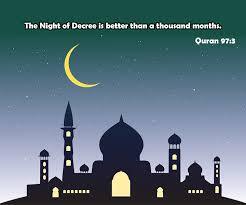
    The last ten days of Ramadan are very special because they include Laylatul Qadr (the Night of Power). The Quran says this night is better than a thousand months (Quran 97:3). It is a time to ask Allah for forgiveness and protection from Hellfire.

    Prophet Muhammad (PBUH) advised Muslims to pray more, remember Allah, and give charity during these days. He also used to spend these nights in I’tikaf (staying in the mosque for worship).

    Teesray Ashray Ki Dua

    Dua in Arabic:

    اللَّهُمَّ أَجِرْنَا مِنَ النَّارِ

    Dua in Urdu:

    اے اللہ! ہمیں دوزخ کی آگ سے بچا لے۔

    Dua in English:

    O Allah! Save us from the fire of Hell.

    This dua asks Allah to protect us from Hellfire, which is the main goal of the last Ashra.

    Additional Duas for the Last Ashra

    Other important duas for these days include:

    • Dua for Laylatul Qadr:
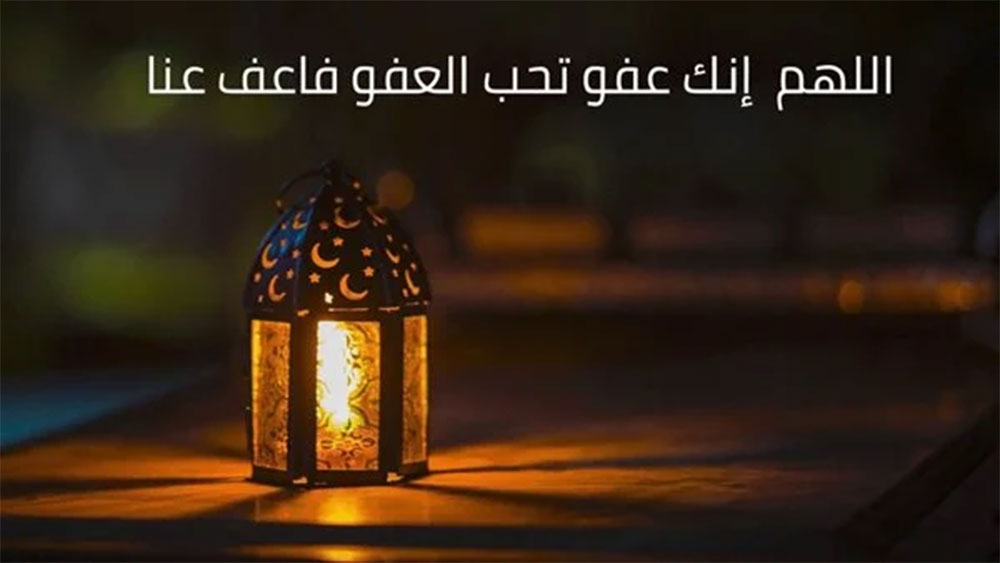
      اللَّهُمَّ إِنَّكَ عَفُوٌّ كَرِيمٌ تُحِبُّ الْعَفْوَ فَاعْفُ عَنِّي
      (O Allah, You are Forgiving and love forgiveness, so forgive me.)
    • Dua for Allah’s mercy and blessings.
    • Duas for seeking forgiveness from the Quran and Hadith.

    Worship During the Last Ashra

    To make the most of these days, Muslims should:

    • Pray Tahajjud (late-night prayer).
    • Read more Quran.
    • Say Dhikr (remembrance of Allah) often.
    • Give charity (Sadaqah and Zakat).
    • Spend time in I’tikaf, if possible.

    Hadith and Meaning of the Dua

    The Prophet Muhammad (PBUH) said:
    “Whoever prays on the Night of Qadr with faith and hope for reward, their past sins will be forgiven.” (Bukhari & Muslim)

    Islamic scholars say that Teesray Ashray ki Dua is about repentance and asking for Allah’s protection. The companions of the Prophet (Sahabah) would spend these nights in deep worship.

    FAQs (Frequently Asked Questions)

    Q1. What is Teesray Ashray ki Dua?
    Ans: It is a special prayer for the last ten days of Ramadan, asking Allah for forgiveness and protection from Hellfire.

    Q2. Why are the last ten days of Ramadan important?
    Ans: These days include Laylatul Qadr, a night when Allah forgives sins and grants blessings to those who sincerely pray.

    Q3. When should I say Teesray Ashray ki Dua?
    Ans: Anytime, but it is especially powerful during prayers in the last ten days of Ramadan.

    Q4. How can I make the most of the last Ashra?
    Ans: Pray more, read the Quran, remember Allah, give charity, and stay in I’tikaf if possible.

    Q5. What is the best dua for Laylatul Qadr?
    Ans: The best dua is “اللَّهُمَّ إِنَّكَ عَفُوٌّ كَرِيمٌ تُحِبُّ الْعَفْوَ فَاعْفُ عَنِّي” (O Allah, You are Forgiving and love forgiveness, so forgive me).

  • Surah Hashr Last 3 Ayat – Meaning, Benefits & Tafsir

    Surah Hashr Last 3 Ayat – Meaning, Benefits & Tafsir

    Introduction

    Surah Hashr is the 59th chapter of the Holy Quran. Surah Hashr last 3 Ayat (verses) of this Surah are very special. These verses talk about the beautiful names and qualities of Allah (SWT). They are often recited for protection, blessings, and closeness to Allah.

    In this blog, we will discuss the meaning, benefits, tafsir (interpretation), and hadith references related to these powerful verses.

    Arabic & English Translation of Surah Hashr Last 3 Ayat

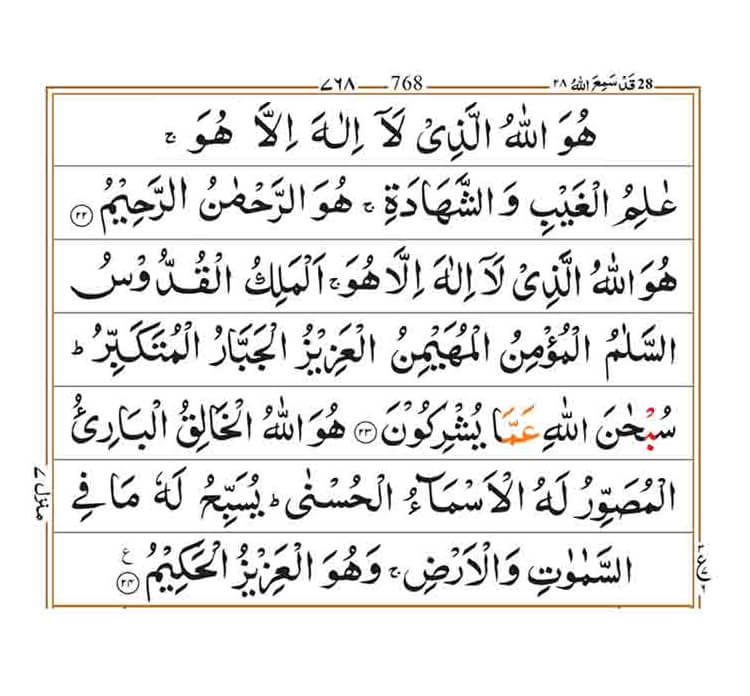
    Verse 22

    Arabic: هُوَ ٱللَّهُ ٱلَّذِى لَآ إِلَـٰهَ إِلَّا هُوَ ۖ عَـٰلِمُ ٱلْغَيْبِ وَٱلشَّهَـٰدَةِ ۖ هُوَ ٱلرَّحْمَـٰنُ ٱلرَّحِيمُ

    English Translation: Allah – there is no deity except Him. He knows the unseen and the seen. He is the Most Merciful, the Most Kind.

    Verse 23

    Arabic: هُوَ اللَّهُ الَّذِي لَا إِلَٰهَ إِلَّا هُوَ ۖ الْمَلِكُ الْقُدُّوسُ السَّلَامُ الْمُؤْمِنُ الْمُهَيْمِنُ الْعَزِيزُ الْجَبَّارُ الْمُتَكَبِّرُ ۚ سُبْحَانَ اللَّهِ عَمَّا يُشْرِكُونَ

    English Translation: He is Allah – there is no deity except Him. He is the King, the Holy, the Source of Peace, the Giver of Faith, the Guardian, the Almighty, the Compeller, the Supreme. Glory be to Allah, far above what they associate with Him.

    Verse 24

    Arabic: هُوَ اللَّهُ الْخَالِقُ الْبَارِئُ الْمُصَوِّرُ ۖ لَهُ الْأَسْمَاءُ الْحُسْنَىٰ ۚ يُسَبِّحُ لَهُ مَا فِي السَّمَاوَاتِ وَالْأَرْضِ ۚ وَهُوَ الْعَزِيزُ الْحَكِيمُ

    English Translation: He is Allah, the Creator, the Inventor, the Fashioner; to Him belong the best names. Whatever is in the heavens and the earth glorifies Him. And He is the Almighty, the Wise.

    Tafsir (Explanation) of Surah Hashr Last 3 Ayat

    1. Allah’s Names & Attributes

    • These verses mention some of Allah’s 99 names.
    • They show Allah’s power, wisdom, and mercy.
    • Allah is One, with no partners.

    2. Allah’s Knowledge & Control

    • Allah knows everything – the seen and unseen.
    • He is the King of all worlds.
    • Everything in the universe glorifies Allah.

    3. Importance of Asma-ul-Husna (Beautiful Names of Allah)

    • Allah’s names show His greatness and perfection.
    • Each name has a special meaning.
    • Saying these names brings barakah (blessings) and protection.

    Benefits of Reciting Surah Hashr Last 3 Ayat

    1. Protection from harm – These verses protect from evil, jinn, and black magic.
    2. Forgiveness of sins – Hadith says that reciting these verses brings Allah’s mercy.
    3. Angels pray for the reciter – Angels ask forgiveness for the person who recites these Ayat.
    4. Strengthens Imaan (Faith) – These verses remind us of Allah’s greatness and power.
    5. Helps in difficult times – Reciting these verses brings peace and patience.

    Hadith References

    1. Forgiveness for Reciting These Verses

    The Prophet Muhammad (SAW) said:

    “Whoever recites the last three verses of Surah Hashr in the morning, seventy thousand angels pray for him until the evening. If he dies that day, he will die as a martyr. And whoever recites them in the evening, seventy thousand angels pray for him until the morning. If he dies that night, he will die as a martyr.”
    (Reference: Tirmidhi, Hadith 2922)

    2. Angels Surround the Reciter

    Another hadith says that angels protect and surround the person who reads these verses with sincerity.

    How to Read & Remember These Verses

    • Recite them every morning and evening for protection.
    • Read them before sleeping for peace.
    • Memorize them by listening to audio recitations.
    • Write them down and keep them in a place where you can see them.

    Conclusion

    The last 3 Ayat of Surah Hashr are powerful, full of blessings, and bring Allah’s protection. They remind us of Allah’s greatness and His beautiful names. By reciting them daily, we gain rewards, protection, and peace.

    May Allah (SWT) guide us to recite these verses regularly and understand their meaning. Ameen.

  • Surah Kahf First 10 Verses – Meaning, Benefits & Importance

    Surah Kahf First 10 Verses – Meaning, Benefits & Importance

    Introduction

    Surah Kahf is a very important chapter of the Holy Quran. It is highly recommended to read the Surah Kahf first 10 verses for blessings and protection. These verses are mentioned in authentic Hadiths because they keep believers safe from Dajjal’s (the False Messiah’s) trials.

    In this blog, we will talk about the meaning, importance, and benefits of Surah Kahf’s first 10 verses. We will also share what Islamic scholars say about them.

    Surah Kahf First 10 Verses (Arabic, English & Urdu Translation)

    Arabic:

    1. ٱلْحَمْدُ لِلَّهِ ٱلَّذِىٓ أَنزَلَ عَلَىٰ عَبْدِهِ ٱلْكِتَٰبَ وَلَمْ يَجْعَل لَّهُۥ عِوَجًۭا
    2. قَيِّمًۭا لِّيُنذِرَ بَأْسًۭا شَدِيدًۭا مِّن لَّدُنْهُ وَيُبَشِّرَ ٱلْمُؤْمِنِينَ ٱلَّذِينَ يَعْمَلُونَ ٱلصَّٰلِحَٰتِ أَنَّ لَهُمْ أَجْرًا حَسَنًۭا
    3. مَّٰكِثِينَ فِيهِ أَبَدًۭا
    4. وَيُنذِرَ ٱلَّذِينَ قَالُوا۟ ٱتَّخَذَ ٱللَّهُ وَلَدًۭا
    5. مَّا لَهُم بِهِۦ مِنْ عِلْمٍۢ وَلَا لِءَابَآئِهِمْ ۚ كَبُرَتْ كَلِمَةًۭ تَخْرُجُ مِنْ أَفْوَٰهِهِمْ ۚ إِن يَقُولُونَ إِلَّا كَذِبًۭا
    6. فَلَعَلَّكَ بَٰخِعٌۭ نَّفْسَكَ عَلَىٰٓ ءَاثَٰرِهِمْ إِن لَّمْ يُؤْمِنُوا۟ بِهَٰذَا ٱلْحَدِيثِ أَسَفًا
    7. إِنَّا جَعَلْنَا مَا عَلَى ٱلْأَرْضِ زِينَةًۭ لَّهَا لِنَبْلُوَهُمْ أَيُّهُمْ أَحْسَنُ عَمَلًۭا
    8. وَإِنَّا لَجَٰعِلُونَ مَا عَلَيْهَا صَعِيدًۭا جُرُزًۭا
    9. أَمْ حَسِبْتَ أَنَّ أَصْحَٰبَ ٱلْكَهْفِ وَٱلرَّقِيمِ كَانُوا۟ مِنْ ءَايَٰتِنَا عَجَبًۭا
    10. إِذْ أَوَى ٱلْفِتْيَةُ إِلَى ٱلْكَهْفِ فَقَالُوا۟ رَبَّنَآ ءَاتِنَا مِن لَّدُنكَ رَحْمَةًۭ وَهَيِّئْ لَنَا مِنْ أَمْرِنَا رَشَدًۭا

    Urdu Translation:

    1. تمام تعریفیں اللہ کے لیے ہیں، جس نے اپنے بندے پر کتاب نازل فرمائی اور اس میں کوئی ٹیڑھ نہ رکھی۔
    2. (یہ) سیدھی (کتاب) ہے تاکہ وہ (اللہ کی طرف سے) سخت عذاب سے ڈرائے اور نیک اعمال کرنے والے مومنین کو خوشخبری دے کہ ان کے لیے اچھا بدلہ ہے۔
    3. جس میں وہ ہمیشہ رہیں گے۔
    4. اور تاکہ وہ ان لوگوں کو ڈرائے جو کہتے ہیں کہ اللہ نے (کسی کو) بیٹا بنا لیا ہے۔
    5. ان کے پاس نہ اس کا کوئی علم ہے اور نہ ان کے باپ دادا کے پاس تھا۔ (یہ) بڑی سخت بات ہے جو وہ اپنے منہ سے نکالتے ہیں، وہ محض جھوٹ ہی بولتے ہیں۔
    6. شاید آپ (غم کی شدت سے) اپنی جان دے دیں گے اگر یہ اس بات پر ایمان نہ لائیں۔
    7. بیشک ہم نے زمین کو اس کی زینت (خوبصورتی) بنا دیا تاکہ ہم آزمائیں کہ ان میں کون اچھے اعمال کرتا ہے۔
    8. اور بیشک جو کچھ زمین پر ہے ہم اسے خشک اور چٹیل میدان بنا دینے والے ہیں۔
    9. کیا آپ نے خیال کیا کہ کہف (غار) اور رقیم والے ہماری نشانیوں میں سے کوئی عجیب نشانی تھے؟
    10. جب وہ نوجوان غار میں پناہ گزیں ہوئے تو انہوں نے دعا کی: اے ہمارے رب! ہمیں اپنی طرف سے رحمت عطا فرما اور ہمارے معاملے میں ہمارے لیے راہِ راست مہیا فرما۔

    (ترجمہ: مولانا جوناگڑھی / تفہیم القرآن سے لیا گیا)

    English Translation:

    1. All praise is due to Allah, Who has sent down upon His servant the Book and has not made therein any deviance.
    2. (He has made it) straight to warn of severe punishment from Him and to give good tidings to the believers who do righteous deeds that they will have a good reward.
    3. In which they will remain forever.
    4. And to warn those who say, “Allah has taken a son.”
    5. They have no knowledge of it, nor do their forefathers. Grave is the word that comes out of their mouths; they speak not except a lie.
    6. Then perhaps you would kill yourself through grief over them if they do not believe in this message.
    7. Indeed, We have made that which is on the earth an adornment for it, so that We may test them as to which of them is best in deeds.
    8. And indeed, We will make whatever is upon it (into) a barren ground.
    9. Or have you thought that the companions of the cave and the inscription were, among Our signs, a wonder?
    10. (Mention) when the youths took refuge in the cave and said, “Our Lord, grant us from Yourself mercy and provide for us right guidance in our affair.”

    (Translation: Sahih International)

    Meaning & Explanation of the First 10 Verses

    It is important to understand what these verses mean. Scholars like Ibn Kathir and Tafsir al-Jalalayn explain the main ideas:

    • Verses 1-2 → Praise for Allah & the Quran as a clear guide.
    • Verses 3-5 → A warning against false beliefs & importance of believing in one God (Tawheed).
    • Verses 6-10 → The story of the People of the Cave and Allah’s kindness to true believers.

    These verses help us understand right and wrong, give protection, and warn against disbelief.

    (References: Tafsir Ibn Kathir, Tafsir al-Muyassar, and Hadith from Bukhari & Muslim.)

    Surah Kahf First 10 Verses – Benefits & Importance

    Hadith About These Verses

    The Prophet Muhammad (SAW) told us that reading these verses protects us. Here are two important Hadiths:

    • “Whoever remembers the first ten verses of Surah Kahf will be safe from Dajjal.” (Sahih Muslim, 809)
    • “Reciting Surah Kahf on Friday brings light (guidance) for the week.” (Sunan al-Kubra, 5856)

    Spiritual & Mental Benefits

    • Protection from Dajjal’s tricks.
    • Peace of mind and clear thinking.
    • A reminder of Allah’s greatness and mercy.

    (References: Sahih Muslim, Sunan Abu Dawood, and other Hadith books.)

    Surah Kahf & Its Connection to Dajjal

    Islamic scholars say these verses protect us from Dajjal. They teach us to have faith, trust Allah, and remember that this world is temporary.

    Authentic References:

    • Sahih Muslim (Hadith No. 809) → Memorizing these verses keeps us safe from Dajjal.
    • Sunan Abu Dawood → Surah Kahf is a shield against Dajjal.

    When & How to Recite Surah Kahf’s First 10 Verses

    • Best Time to Recite → Friday, as mentioned in Hadith.
    • How to Recite → After Fajr prayer or Jumu’ah Salah.
    • Common Mistakes → Wrong pronunciation or reading without understanding the meaning.

    (Reference: Islamic Fiqh Academy on proper Quran recitation.)

    Conclusion

    The first 10 verses of Surah Kahf are very important in Islam. They bring protection, wisdom, and guidance. Memorizing and reading them often will protect us from Dajjal and make our faith stronger.

    Let’s make a habit of reading these verses every Friday and sharing their benefits with others.

  • Ijtihad Meaning in Urdu – Understanding Its Role in Islam

    Ijtihad Meaning in Urdu – Understanding Its Role in Islam

    Introduction

    Islam is a religion that provides guidance for all aspects of life. However, there are some issues where the Quran and Hadith do not give direct answers. In such cases, scholars use Ijtihad (اجتہاد) to find solutions. In this blog, we will explain Ijtihad Meaning in Urdu, its importance in Islam, and how it helps in Islamic law.

    Ijtihad Meaning in Urdu

    The word Ijtihad (اجتہاد) means “to make an effort” or “to struggle”. In Islam, Ijtihad refers to the process where Islamic scholars use their knowledge to solve new problems. They do this by studying the Quran, Hadith, and other Islamic teachings.

    Importance of Ijtihad in Islam

    Ijtihad is important because it helps Muslims understand and apply Islamic laws in changing times. Some key benefits include:

    • Solving New Issues: Helps in finding Islamic rulings for modern problems.
    • Flexibility in Islam: Keeps Islamic teachings relevant in every era.
    • Helps Muslim Communities: Guides people in making the right decisions.

    Ijtihad as a Source of Islamic Law

    Islamic law is based on four main sources:

    1. Quran – The word of Allah.
    2. Hadith – Teachings of Prophet Muhammad (PBUH).
    3. Ijma (Consensus) – Agreement of scholars on a matter.
    4. Qiyas (Analogy) – Comparing new issues with past rulings.

    Ijtihad is part of Qiyas. It helps in applying old rulings to new problems.

    Who Can Perform Ijtihad?

    Not everyone can do Ijtihad. It is done by Islamic scholars who have deep knowledge of:

    • Quran & Hadith
    • Arabic Language
    • Islamic Law (Fiqh)
    • History & Context of Islamic Teachings

    Examples of Ijtihad in Islam

    Ijtihad has helped in many areas of Islamic law. Some examples include:

    • Islamic Banking – Finding halal ways to do business.
    • Medical Ethics – Rules on organ donation and modern medicine.
    • Technology in Islam – Use of digital payments, online education, and more.

    Difference Between Ijtihad and Taqlid

    There are two ways to follow Islamic teachings:

    1. Ijtihad (Independent Thinking) – Scholars find new solutions.
    2. Taqlid (Following Past Rulings) – People follow existing rulings.

    Both methods are important. Scholars use Ijtihad, while common Muslims follow scholars through Taqlid.

    Conclusion

    Ijtihad is an important part of Islam. It helps in understanding Islamic laws and applying them to modern issues. Through Ijtihad, scholars ensure that Islam remains a guiding light for every generation.

    FAQs About Ijtihad

    Q1. What is the meaning of Ijtihad in Islam?
    A: Ijtihad means using knowledge to find Islamic rulings on new matters.

    Q2. Is Ijtihad allowed in Islam?
    A: Yes, Ijtihad is allowed and encouraged when done by qualified scholars.

    Q3. What is the role of Ijtihad in Islamic law?
    A: Ijtihad helps in applying Islamic teachings to modern problems.

    Q4. Who can do Ijtihad in Islam?
    A: Only trained scholars with deep knowledge of Islam can perform Ijtihad.

    Q5. What is an example of Ijtihad in modern times?
    A: Finding Islamic banking solutions without interest is an example of Ijtihad.

  • Istikhara Dua: How to Perform Istikhara Step by Step

    Istikhara Dua: How to Perform Istikhara Step by Step

    Introduction

    Istikhara Dua is a special prayer that helps Muslims seek guidance from Allah when making important life decisions. Whether it’s about marriage, career, or any other major choice, Istikhara allows believers to ask for divine direction. In this guide, we will explain how to perform Istikhara Dua step by step, along with its significance, best practices, and common misconceptions.

    What is Istikhara Dua?

    Istikhara Dua means asking Allah for guidance when facing uncertainty. The word “Istikhara” comes from Arabic, meaning “to seek goodness”. It is a Sunnah of the Prophet Muhammad (PBUH) and should be performed with sincerity and trust in Allah’s decision.

    Importance of Istikhara in Islam

    • Istikhara helps in making wise and informed choices.
    • It reflects trust in Allah’s wisdom.
    • It is recommended in Hadith and practiced by the Prophet (PBUH).

    Step-by-Step Guide to Performing Istikhara Dua

    1. Perform Ablution (Wudu)

    • Ensure you are in a state of purity before offering the prayer.

    2. Pray Two Rakats (Units) of Nafl Salah

    • In the first Rakat, recite Surah Al-Fatiha followed by Surah Al-Ikhlas (or any Surah).
    • In the second Rakat, recite Surah Al-Fatiha followed by Surah Al-Kafirun (or any Surah).

    3. Recite the Istikhara Dua

    • After completing the two Rakats, raise your hands and recite the Dua of Istikhara.
    • The full Arabic text and English translation are widely available for reference.
    • If you don’t remember the Dua, you can read it from a book or screen.

    4. Express Your Need

    • When reciting “Hadh al-amr” in the Dua, mention your specific issue (e.g., marriage, job, investment).

    5. Trust Allah’s Decision

    • After the prayer, avoid overthinking.
    • Signs or feelings may come through dreams or a sense of peace.
    • Repeat Istikhara for 3 to 7 days if unsure.

    Best Time to Perform Istikhara Dua

    • The best time is before sleeping at night.
    • Avoid performing during the forbidden prayer times (e.g., after Fajr and Asr).

    Common Misconceptions About Istikhara

    MisconceptionReality
    Istikhara always gives an instant answer in a dreamNot necessarily; answers can come as ease or difficulty in a matter
    Only scholars or religious leaders can do IstikharaAny Muslim can perform Istikhara
    Istikhara forces you to follow a specific decisionIt helps you choose what’s best, but you can decide
    Istikhara is only for marriage decisionsIt is for all major life decisions

    What to Expect After Performing Istikhara Dua

    • You might feel at peace with one choice.
    • Circumstances may become easier or more difficult, guiding you toward the best decision.
    • No immediate response? Continue praying and seek advice from elders or scholars.

    Conclusion

    Istikhara Dua is a powerful way to seek Allah’s guidance in making important decisions. Perform it with sincerity, patience, and trust in Allah’s wisdom. Whether or not you see a dream, rely on ease, difficulty, and inner peace as signs of the best decision. May Allah guide us all to the right path!

    This guide provides a simple yet comprehensive explanation of Istikhara Dua, ensuring it is easy to follow for beginners and experienced individuals alike. If you found this helpful, share it with others so they can also benefit! 😊

    FAQs (Frequently Asked Questions)

    Q1. Can I perform Istikhara for someone else?
    Ans: Yes, you can pray for someone else, but they should also pray themselves if possible.

    Q2. How many times should I perform Istikhara?
    Ans: It is recommended to do it up to 7 times if no clarity is received.

    Q3. Does Istikhara guarantee a dream?
    Ans: No, not everyone sees dreams; guidance may come in different ways.

    Q4. Can I perform Istikhara without knowing Arabic?
    Ans: Yes, you can read the Dua from a book or translation.

    Q5. Can Istikhara change destiny?
    Ans: No, but it helps you align with Allah’s best plan for you.

    Q6. Should I wait for a sign after Istikhara?
    Ans: No, take action based on ease and comfort in the decision.

    Q7. Can I do Istikhara for small daily decisions?
    Ans: It is meant for major life decisions like marriage, career, and investments.

    Q8. What if I feel confused after Istikhara?
    Ans: Repeat the prayer or seek advice from a scholar.

    Q9. Can women perform Istikhara during menstruation?
    Ans: They can recite the Dua without performing Salah.

    Q10. Can Istikhara be done in any language?
    Ans: The Dua should be recited in Arabic, but personal supplications can be in any language.

  • 7, 15 & 21 Days Umrah Package from Pakistan Price – Complete Details

    7, 15 & 21 Days Umrah Package from Pakistan Price – Complete Details

    Introduction

    Planning for Umrah? Many people in Pakistan look for affordable and convenient Umrah packages. Whether you want to go for 7 days, 15 days, or 21 days, there are different options available. This blog will provide complete details about the 21 Days Umrah Package from Pakistan Price, compare different packages, and explain visa fees, booking steps, and more.

    21 Days Umrah Package from Pakistan Price

    The price of a 21-day Umrah package depends on the airline, hotel category, and services included. Here’s an approximate cost:

    Package TypeApproximate Price (PKR)
    Economy Package~350,000
    Standard Package~450,000
    Luxury Package~600,000

    Prices may change based on demand, season, and additional services.

    Comparison of 7, 15 & 21 Days Umrah Packages

    Here’s a comparison to help you choose the best package:

    Feature7 Days Package15 Days Package21 Days Package
    Price~250,000 PKR~300,000 PKR~350,000 PKR
    Accommodation3-star hotels4-star hotels5-star hotels
    TransportShared transportPrivate transportVIP transport
    MealsNot includedPartial mealsFull meals

    A longer stay means more time for prayers and visiting holy places.

    Umrah Visa Fee & Visa Price in Pakistan

    To perform Umrah, a visa is required. The visa fee is separate from the package price. Here is the approximate cost:

    Visa TypeFee (PKR)
    Standard Umrah Visa~30,000
    Express Umrah Visa~50,000
    Multiple Entry Visa~90,000

    The process usually takes 7-10 days. Some packages include visa processing in the total cost.

    What’s Included in the Umrah Package?

    Most Umrah packages include:

    • Airfare (round trip)
    • Hotel stay (budget to luxury options)
    • Daily transport in Makkah & Madinah
    • Guidance for rituals
    • Meal plans (depends on package)

    Pros & Cons of Different Umrah Packages

    Pros:

    • ✔️ Affordable options available
    • ✔️ Different packages for different budgets
    • ✔️ Travel agents handle all paperwork
    • ✔️ Group and family discounts available

    Cons:

    • ❌ Prices are higher in peak season
    • ❌ Economy packages may have basic services
    • ❌ Flight delays can affect schedules

    How to Book an Umrah Package from Pakistan?

    Follow these steps to book your Umrah package:

    1. Select your travel dates – Choose a convenient time for Umrah.
    2. Pick a package – Decide between economy, standard, or luxury.
    3. Apply for a visa – Provide required documents and pay the visa fee.
    4. Book flights & hotels – Choose the best airlines and accommodations.
    5. Confirm transport & meals – Check what is included in your package.
    6. Make payment – Finalize your booking with the travel agent.
    7. Prepare for departure – Pack essentials and follow travel guidelines.

    Which Umrah Package is Best for You?

    • If you want a quick and budget-friendly trip, choose the 7-day package.
    • If you want a balanced trip with a reasonable budget, go for the 15-day package.
    • If you want a relaxed and complete experience, the 21-day package is best.

    FAQs About Umrah Packages from Pakistan

    Q1. What is the cost of a 21-day Umrah package from Pakistan?
    Ans: The price starts at approximately PKR 350,000, depending on the services included.

    Q2. What is the visa fee for Umrah from Pakistan?
    Ans: The standard Umrah visa fee is around PKR 30,000.

    Q3. Which is the cheapest Umrah package available?
    Ans: The 7-day Umrah package, starting from PKR 250,000, is the cheapest option.

    Q4. What is included in an Umrah package?
    Ans: Airfare, hotel, transport, visa, and guidance services.

    Q5. How long does it take to get an Umrah visa?
    Ans: It usually takes 7-10 days to process.

    Q6. Are meals included in Umrah packages?
    Ans: Some packages include meals, while others do not.

    Q7. What is the best time to perform Umrah?
    Ans: Off-season months offer lower prices and fewer crowds.

    Q8. Can I book an Umrah package online?
    Ans: Yes, many travel agencies offer online booking.

    Q9. Do Umrah packages include Ziyarat tours?
    Ans: Some packages include visits to religious sites in Makkah and Madinah.

    Q10. Is travel insurance required for Umrah?
    Ans: It is optional but recommended for safety.

  • Why Millions Visit Karbala for Ziyarat Imam Hussain Every Year

    Why Millions Visit Karbala for Ziyarat Imam Hussain Every Year

    Introduction

    Ziyarat Imam Hussain is one of the most significant religious pilgrimages in Islam, particularly for Shia Muslims. Millions of devotees visit the shrine of Imam Hussain in Karbala, Iraq, every year to pay their respects and seek spiritual blessings. This journey is not just a religious obligation but a profound expression of love and remembrance of the sacrifice of Imam Hussain, the grandson of Prophet Muhammad (PBUH).

    The Historical & Spiritual Importance of Imam Hussain’s Shrine Imam Hussain, the son of Imam Ali and Fatima Zahra (daughter of Prophet Muhammad), was martyred in the Battle of Karbala on 10th Muharram 680 AD. His stand against oppression and injustice has inspired generations, making his shrine a symbol of truth, sacrifice, and resilience. The shrine, located in Karbala, is considered one of the holiest sites in Islam. Pilgrims believe that visiting it brings divine rewards and strengthens their faith.

    Key Rituals Performed During Ziyarat Imam Hussain

    1. Recitation of Ziyarat Texts: Pilgrims recite special prayers known as Ziyarat-e-Ashura, Ziyarat-e-Waritha, and Ziyarat Arbaeen to express their devotion and grief.
    2. Walking to Karbala: Many pilgrims participate in a symbolic walk to Karbala, especially during Arbaeen, to honor Imam Hussain’s journey.
    3. Lamentation and Mourning: Devotees mourn the martyrdom of Imam Hussain through Majalis (gatherings), Nauha (elegies), and Matam (chest beating).
    4. Giving Charity and Helping Others: Inspired by Imam Hussain’s message of selflessness, visitors often engage in acts of kindness, such as providing free food and water to fellow pilgrims.

    Ziyarat Imam Hussain During Muharram & Arbaeen

    1. Ashura (10th Muharram):
      • Marks the day of Imam Hussain’s martyrdom.
      • Millions gather in Karbala for special prayers and processions.
    2. Arbaeen (40 Days After Ashura):
      • One of the largest annual gatherings in the world.
      • Devotees walk from Najaf to Karbala in solidarity with Imam Hussain’s message.
      • An estimated 20 million people participate in this pilgrimage every year.

    Imam Hussain’s Quotes & Their Relevance Today

    Imam Hussain’s teachings are universal and inspire people beyond religious boundaries. Some of his famous sayings include:

    • “Death with dignity is better than life with humiliation.” (Encourages standing against oppression.)
    • “If you do not believe in any religion, at least be free in your life.” (Advocates human freedom and justice.) These timeless messages continue to guide people in their personal and social lives.

    Practical Guide for Pilgrims Visiting Karbala

    1. Best Time to Visit:
      • Muharram (Ashura) and Safar (Arbaeen) are the most significant times.
      • Other months like Rajab and Shaban are also recommended for a peaceful experience.
    2. Travel & Accommodation:
      • Pilgrims usually arrive via Baghdad or Najaf airports.
      • Many stay in Husseiniyas (pilgrim accommodations), hotels, or local homes.
    3. Safety & Health Tips:
      • Always carry necessary documents and stay in groups.
      • Follow local guidelines and respect cultural sensitivities.

    How Ziyarat Strengthens Faith and Builds Community

    The experience of Ziyarat Imam Hussain is more than just a visit; it deepens faith and fosters unity among Muslims. It reminds believers of the values of justice, patience, and standing for the truth. Additionally, the communal aspect of the pilgrimage strengthens bonds among followers, making it a transformative journey.

    Conclusion

    Millions visit Karbala every year for Ziyarat Imam Hussain to honor his sacrifice and seek spiritual peace. His legacy of truth, justice, and perseverance continues to inspire people worldwide. Whether during Muharram, Arbaeen, or other months, the journey to Karbala remains a deeply moving and enlightening experience for believers.

  • Angel Meaning in Urdu – Who Are the Angels in Islam?

    Angel Meaning in Urdu – Who Are the Angels in Islam?

    The word Angel (فرشتہ) in Urdu means a special creature created by Allah to follow His orders. In Islam, believing in angels is an important part of faith. These unseen beings are made of light (نور) and always obey Allah without question. This blog will explain angel meaning in urdu, their importance in Islam, and the different angels mentioned in Islamic teachings.

    Angel Meaning in Urdu

    The Urdu word for Angel is فرشتہ (Farishtey). Angels are present in many religions, but in Islam, they have a special role as messengers and helpers of Allah.

    They are different from humans because they do not eat, sleep, or make mistakes. Angels always do what Allah tells them and perform different tasks like bringing messages, protecting people, and keeping records of human actions.

    What Does Islam Say About Angels?

    Islam teaches that angels are a fundamental part of faith (Iman). Believing in angels is one of the six pillars of Iman:

    “The Messenger of Allah (PBUH) said: Faith is to believe in Allah, His angels, His books, His messengers, the Last Day, and Qadar (Divine Decree).” (Sahih Muslim: 8)

    Names of Important Angels in Islam

    Islam mentions many angels by name, each with specific duties assigned by Allah.

    1. Angel Jibreel (جبریل)

    • Jibreel (Gabriel) is the chief angel and the messenger of Allah. His job was to deliver Allah’s messages to the prophets. He brought the Quran to Prophet Muhammad (PBUH) and also gave messages to earlier prophets like Musa (Moses) and Isa (Jesus).
    • Reference: “Say: Whoever is an enemy to Jibreel, it is he who has brought the Quran down upon your heart by permission of Allah.” (Surah Al-Baqarah 2:97)

    2. Angel Mikaeel (مکائیل)

    • Mikaeel (AS) is responsible for controlling rain and providing food and sustenance.
    • He assists in maintaining the balance of nature.

    3. Angel Israfeel (اسرافیل)

    • Israfeel (AS) will blow the trumpet to signal the Day of Judgment.
    • He is waiting for Allah’s command to start Qiyamah.

    4. Angel Azrael (عزرائیل)

    • Also called Malak-ul-Maut, he is the angel of death.
    • His duty is to take the souls of living beings when their time is over.

    6. Angel Malik (مالک علیہ السلام)

    Malik is the head angel in charge of Hell (جہنم). He follows Allah’s orders regarding the punishment of wrongdoers.

    7. Angel Ridwan (رضوان علیہ السلام)

    Ridwan is the keeper of Jannah (Heaven). He welcomes the good believers who enter Paradise after their deeds are judged.

    Angels Who Record Human Deeds

    Every person has two angels assigned to them:

    “When the two receivers receive (him), seated on the right and on the left, he utters not a word but there is with him an observer prepared (to record).” (Surah Qaf 50:17-18)

    • Kiraman Katibeen (کرامن کاتبین): These angels record good and bad deeds.

    Guardian Angels & Angels of Protection

    • Mu’aqqibat (موقفون): These angels protect humans by Allah’s command.
    • Reference: “For each (person), there are angels in succession, before and behind him. They guard him by the command of Allah.” (Surah Ar-Ra’d 13:11)

    Why is Believing in Angels Important in Islam?

    Believing in angels is one of the six pillars of Iman (faith). A Muslim’s faith is not complete without accepting the existence of angels. Understanding angel meaning in urdu helps us realize their role in Islam and how they influence our daily lives. Here’s why it is important:

    • Increases faith – Knowing that angels are always around us makes us more aware of our actions.
    • Gives peace – Believing that guardian angels are protecting us makes us feel safe.
    • Encourages good deeds – Since angels write down everything, we try to do more good and avoid bad actions.
    • Reminds us of Judgment Day – Angels have a big role on Judgment Day, reminding us that we will answer for our actions.

    Lessons We Can Learn from Angels

    • Obedience to Allah: Angels never question Allah’s commands.
    • Continuous Worship: They teach us to remain engaged in good deeds.
    • Kindness & Protection: Angels remind us that Allah is always watching over us.

    Can People See Angels?

    Angels are not visible to humans because they are made of light (Noor). However, Allah has allowed some special people, like prophets, to see them. For example, Prophet Muhammad (PBUH) saw Angel Jibreel in his true form twice.

    Sometimes, angels take human form when delivering Allah’s message. A well-known example is when Angel Jibreel appeared as a man and taught the Prophet Muhammad (PBUH) about Islam.

    Misunderstandings About Angels

    There are many wrong beliefs about angels. Let’s clear some of them:

    Angels are male or female – In Islam, angels have no gender.

    Angels have free will – Unlike humans and Jinn, angels do not have free will. They always follow Allah’s orders.

    Angels protect everyone from harm – Guardian angels exist, but they only protect if Allah wills. If something bad happens, it is part of Allah’s test.

    Conclusion

    Belief in angels is a core part of Islamic faith. They play a vital role in carrying out Allah’s commands, from delivering revelations to protecting people. Understanding their significance helps strengthen our faith and reminds us that our actions are always recorded.

  • Laylatul Qadr Dua in Arabic, English & Urdu – Meaning and Benefits

    Laylatul Qadr Dua in Arabic, English & Urdu – Meaning and Benefits

    Laylatul Qadr (The Night of Power) is one of the most important nights in Islam. It is the night when the Quran was sent down, and prayers on this night are worth more than 1,000 months of worship.

    In this blog, we will explain the Laylatul Qadr Dua, its meaning, benefits, and how you can pray on this special night.

    What is Laylatul Qadr?

    Laylatul Qadr is a night in the last ten days of Ramadan, which is full of blessings and mercy. The Prophet Muhammad (PBUH) encouraged Muslims to search for this night in the last odd-numbered nights of Ramadan (21st, 23rd, 25th, 27th, or 29th night).

    Allah says in the Quran:

    “Indeed, We sent the Qur’an down during the Night of Decree. And what can make you know what is the Night of Decree? The Night of Decree is better than a thousand months.” (Surah Al-Qadr 97:1-3)

    Best Dua for Laylatul Qadr (with Urdu Translation)

    Aisha (RA) asked the Prophet (PBUH), “If I find Laylatul Qadr, what should I say in it?” He replied:

    Dua in Arabic:

    اللَّهُمَّ إِنَّكَ عَفُوٌّ تُحِبُّ الْعَفْوَ فَاعْفُ عَنِّي

    Dua in English:

    O Allah, You are Forgiving, and You love forgiveness, so forgive me.

    Dua in Urdu:

    اے اللہ! بے شک تو معاف کرنے والا ہے، معافی کو پسند کرتا ہے، پس مجھے معاف فرما۔

    Comparison Table: Best Duas for Laylatul Qadr

    DuaArabicEnglishUrdu
    Forgivenessاللَّهُمَّ إِنَّكَ عَفُوٌّ تُحِبُّ الْعَفْوَ فَاعْفُ عَنِّيO Allah, You are Forgiving, and You love forgiveness, so forgive me.اے اللہ! بے شک تو معاف کرنے والا ہے، معافی کو پسند کرتا ہے، پس مجھے معاف فرما۔
    Guidanceاهْدِنَا الصِّرَاطَ الْمُسْتَقِيمَGuide us on the straight path.ہمیں سیدھے راستے پر چلا۔
    Blessingsرَبِّ زِدْنِي عِلْمًاMy Lord, increase me in knowledge.اے میرے رب! میرے علم میں اضافہ فرما۔

    Signs of Laylatul Qadr

    The Prophet (PBUH) mentioned some signs of Laylatul Qadr:

    • The night is peaceful and calm.
    • The sky is clear, without strong winds or storms.
    • The moon appears bright.
    • The sun rises without strong rays the next morning. (Hadith – Muslim, 762)

    What to Do on Laylatul Qadr? (Ibadah & Worship)

    1. Pray (Salah)

    Pray extra Nafl (voluntary) prayers and focus on Tahajjud (late-night prayer).

    2. Read Quran

    Try to recite or understand the meaning of the Quran.

    3. Make Dua

    Ask Allah for forgiveness, guidance, and blessings.

    4. Give Charity

    Help the poor and needy, as charity brings great rewards.

    5. Do Dhikr (Remembrance of Allah)

    Say SubhanAllah, Alhamdulillah, Allahu Akbar, La ilaha illallah as much as possible.

    Where to Buy Islamic Books & Prayer Items?

    If you want to buy Islamic books, prayer mats, or tasbeeh, you can check online stores. You can also buy from Malikki.com, a fast-growing marketplace where people buy and sell different things easily.

    Conclusion

    Laylatul Qadr is a golden chance for every Muslim to seek Allah’s mercy, forgiveness, and blessings. Spend this night in prayer, dua, and good deeds. May Allah accept our prayers and bless us all. Ameen.

    FAQs About Laylatul Qadr

    1. What is Laylatul Qadr?

    It is a special night in Ramadan when the Quran was revealed and prayers are accepted.

    2. Which night is Laylatul Qadr?

    It falls in the last 10 nights of Ramadan, mostly on the odd-numbered nights (21st, 23rd, 25th, 27th, or 29th).

    3. What is the best dua for Laylatul Qadr?

    اللَّهُمَّ إِنَّكَ عَفُوٌّ تُحِبُّ الْعَفْوَ فَاعْفُ عَنِّي (O Allah, You are Forgiving, and You love forgiveness, so forgive me.)

    4. How to know if it is Laylatul Qadr?

    The night is peaceful, and the sun rises the next day without strong rays.

    5. Can we make any dua on Laylatul Qadr?

    Yes, you can ask Allah for anything good.

    6. Is Laylatul Qadr mentioned in the Quran?

    Yes, in Surah Al-Qadr (Chapter 97).

    7. How many rakats should I pray?

    You can pray Tahajjud, Nafl, and Witr prayers.

    8. Can women pray on Laylatul Qadr?

    Yes, women can pray, recite Quran, and make dua.

    9. Can we see Laylatul Qadr?

    There are signs, but we should focus on worshiping Allah rather than looking for signs.

    10. How long does Laylatul Qadr last?

    It lasts from Maghrib (sunset) to Fajr (dawn).