Category: Blog

  • Namaz Ke Farz – Understanding the Five Daily Prayers in Islam

    Namaz Ke Farz – Understanding the Five Daily Prayers in Islam

    Introduction

    Namaz (Salah) is one of the five pillars of Islam and is a must for every Muslim. The five daily prayers, known as Farz Namaz, are very important in Islam. Knowing the rules of Namaz is essential for every believer. This blog will give a simple and clear guide on Namaz Ke Farz, covering its history, importance, and main practices.

    1. What is Farz Namaz?

    Farz Namaz means the required prayers that every Muslim must pray daily. These include:

    • Fajr – Before dawn (2 Rakats Farz)
    • Zuhr – At midday (4 Rakats Farz)
    • Asr – In the afternoon (4 Rakats Farz)
    • Maghrib – After sunset (3 Rakats Farz)
    • Isha – At night (4 Rakats Farz)

    Each prayer has a fixed number of Rakats and follows a set method in Islam.

    2. Namaz Ke Farz (Obligations of Namaz)

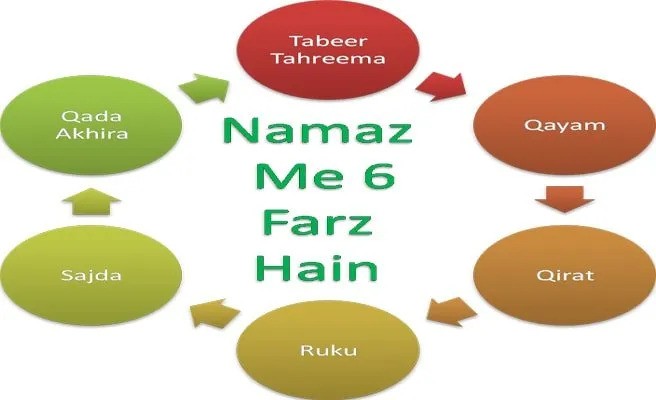
    There are six essential Farz (obligatory acts) of Namaz. Missing any of these makes the prayer invalid:

    1. Takbeer-e-Tahrima – Saying “Allahu Akbar” at the beginning.
    2. Qiyam – Standing during the prayer.
    3. Qira’at – Reciting Surah Al-Fatiha and another Surah.
    4. Ruku – Bowing down with hands on the knees.
    5. Sujood – Performing two prostrations.
    6. Qa’da Akhira – Sitting in the last Rakat before concluding Namaz.

    These actions must be performed properly to ensure a valid Namaz.

    2. Namaz Farz in Which Hijri Year?

    Namaz was made compulsory in the year 621 CE (10th year of Prophethood) during the event of Isra and Miraj. Prophet Muhammad (PBUH) was ordered by Allah to perform the five daily prayers as an essential part of faith.

    • Reference: Sahih Al-Bukhari, Hadith No. 349

    4. Why is Farz Namaz Important?

    Praying Namaz daily:

    • Strengthens a Muslim’s connection with Allah.
    • Cleanses the heart and builds discipline.
    • Helps in removing small sins.
    • Protects from bad deeds (Surah Al-Ankabut 29:45).
    • Reference: Quran, Surah Al-Baqarah 2:110

    5. Dua After Farz Namaz

    Reading dua after Farz Namaz is highly encouraged as it brings Allah’s blessings. Some powerful duas include:

    A. Ayatul Kursi (Surah Al-Baqarah 2:255)

    Prophet Muhammad (PBUH) said that reading Ayatul Kursi after every Farz Namaz provides protection until the next prayer.

    • Reference: Sunan Abu Dawood, Hadith No. 1522

    B. Tasbeeh-e-Fatima

    • 33 times SubhanAllah (Glory be to Allah)
    • 33 times Alhamdulillah (Praise be to Allah)
    • 34 times Allahu Akbar (Allah is the Greatest)
    • Reference: Sahih Muslim, Hadith No. 2728

    6. Other Important Sunnah and Nafl Prayers

    Besides Farz Namaz, Sunnah and Nafl prayers bring extra rewards. Some important Sunnah prayers are:

    • Sunnah Mu’akkadah – Strongly recommended by Prophet Muhammad (PBUH).
    • Tahajjud – A special night prayer.
    • Salatul Duha – Also called Ishraq prayer, performed after sunrise.
    • Reference: Sahih Al-Bukhari, Hadith No. 1183

    7. Common Mistakes to Avoid in Farz Namaz

    Many people make mistakes while praying Farz Namaz. Some common errors are:

    • Not doing Wudu (Ablution) properly – Without proper cleanliness, Namaz is not valid.
    • Praying too fast – Rushing in Namaz reduces its blessings.
    • Forgetting Takbeer-e-Tahrima – The first Takbeer is very important for a correct prayer.
    • Reference: Sahih Al-Bukhari, Hadith No. 757

    Conclusion – Why Namaz is the Key to a Muslim’s Life

    Namaz Ke Farz is a basic part of Islam that shapes a Muslim’s life. It is not just a duty but a direct way to connect with Allah. By praying with full devotion, a person can find peace, guidance, and rewards in this world and the hereafter.

    “Indeed, prayer stops bad actions, and remembering Allah is the greatest.” (Surah Al-Ankabut 29:45)

    May Allah help us pray Namaz with true sincerity. Ameen!

  • Religion Meaning in Urdu – Definition, Concept & Importance

    Religion Meaning in Urdu – Definition, Concept & Importance

    Introduction

    Religion is a very important part of human life. It gives people guidance, purpose, and peace. Every society in the world has some form of religion. In Pakistan, religion plays a central role in daily life. In this blog, we will explain religion meaning in Urdu, its importance, and how it affects our lives.

    What is the Meaning of Religion?

    The word Religion in Urdu is “مذہب” (Mazhab). It means a belief system that connects people with God. Religion includes prayers, worship, and moral values that guide people in their daily lives.

    Many people follow religion to find peace, purpose, and answers to life’s big questions.

    The Concept of Religion in Different Cultures

    Religion is present in every culture. Different religions have different beliefs, but all focus on faith, worship, and ethical living.

    1. Islam – Belief in one God (Allah) and following the teachings of the Quran.
    2. Christianity – Belief in Jesus Christ as the son of God.
    3. Hinduism – A spiritual path with many gods and traditions.
    4. Buddhism – Focus on inner peace and enlightenment.

    Even though religions are different, they all teach kindness, honesty, and respect for others.

    Importance of Religion in Human Life

    Religion plays a big role in spiritual, social, and personal development.

    1. Spiritual Benefits

    • Helps people feel closer to God.
    • Gives a sense of peace during difficult times.
    • Provides answers about life, death, and the afterlife.

    2. Social Benefits

    • Brings people together and builds strong communities.
    • Encourages helping others through charity and kindness.
    • Teaches respect and discipline.

    3. Psychological Benefits

    • Reduces stress and anxiety.
    • Gives hope and motivation to face challenges.
    • Encourages positive thinking and patience.

    Religion in Pakistani Society

    Pakistan is an Islamic country, and religion influences culture, traditions, and laws.

    • Mosques are an important place for prayer and learning.
    • Islamic festivals like Eid-ul-Fitr and Eid-ul-Adha are widely celebrated.
    • Many people follow Islamic teachings in daily life, such as giving charity (Zakat) and helping the needy.

    Pakistan also has minority religions, including Christianity, Hinduism, and Sikhism, which contribute to the country’s rich culture.

    Common Misconceptions About Religion

    Many people have wrong ideas about religion. Here are some common misunderstandings:

    • Religion causes conflict – While some people fight in the name of religion, true religious teachings promote peace and unity.
    • Religious people reject science – Many scientists are religious, and science and religion can work together.
    • Religion is outdated – Even in modern times, faith gives people hope and meaning.

    Role of Religion in Modern Times

    In today’s world, religion still guides people. However, its role is changing in some ways:

    • Technology and Religion – Many people now read religious books online and watch Islamic lectures on YouTube.
    • Religion and Education – Schools and universities include religious studies in their curriculum.
    • Globalization – People from different religions now interact more, leading to greater understanding and respect.

    Religion is adapting to the modern world while keeping its core teachings the same.

    The Relationship Between Religion and Morality

    Does a person need religion to be good? Many people believe that religion teaches morality, but others say ethics can exist without religion.

    However, most religions promote good values, such as:

    • Honesty
    • Kindness
    • Helping others
    • Respecting elders

    Even people who do not follow a religion often live by these moral values.

    Urdu Literature and Religious Teachings

    Urdu literature has a strong connection with religion.

    • Allama Iqbal, a famous poet, wrote about Islamic values and self-respect.
    • Many Urdu books discuss religious history and moral lessons.
    • Quranic teachings are often quoted in poetry and literature.

    This shows that religion has deep roots in Urdu culture.

    Conclusion

    Religion is an important part of life. It provides guidance, moral values, and peace. While different religions exist, they all promote goodness and unity.

    Understanding “Religion Meaning in Urdu” helps us appreciate the importance of faith in our lives and society. Whether religious or not, we can all learn valuable lessons from different faiths.

    Would you like to explore more about religion and culture? Let us know your thoughts in the comments!

    FAQs About Religion Meaning in Urdu

    1. What does “Religion” mean in Urdu?

    • Religion in Urdu means “مذہب” (Mazhab), which refers to a belief system that connects people with God.

    2. How does religion shape personal beliefs?

    • It teaches morality, kindness, and faith, shaping how people behave.

    3. What are the major religions in Pakistan?

    • Islam, Christianity, Hinduism, and Sikhism are the main religions.

    4. Why is religion important in human life?

    • It gives guidance, peace, and a sense of purpose.

    5. Is religion necessary for morality?

    • Religion promotes good values, but people can also be moral without religion.

    6. How does religion impact Pakistani culture?

    • It influences festivals, traditions, and daily life.

    7. What are common misconceptions about religion?

    • Many think religion causes conflict, but true religion teaches peace and love.

    8. How does social media influence religious beliefs?

    • People now learn about religion online and engage in discussions.

    9. Can someone follow multiple religions?

    • Some people explore different religious teachings, but most follow one faith.

    10. How can religion promote peace in society?

    • It teaches respect, kindness, and helping others, leading to a harmonious society.
  • Surah Yaseen Blog – Urdu Tarjuma, Tilawat & Benefits Explained

    Surah Yaseen Blog – Urdu Tarjuma, Tilawat & Benefits Explained

    Surah Yaseen BlogIntroduction

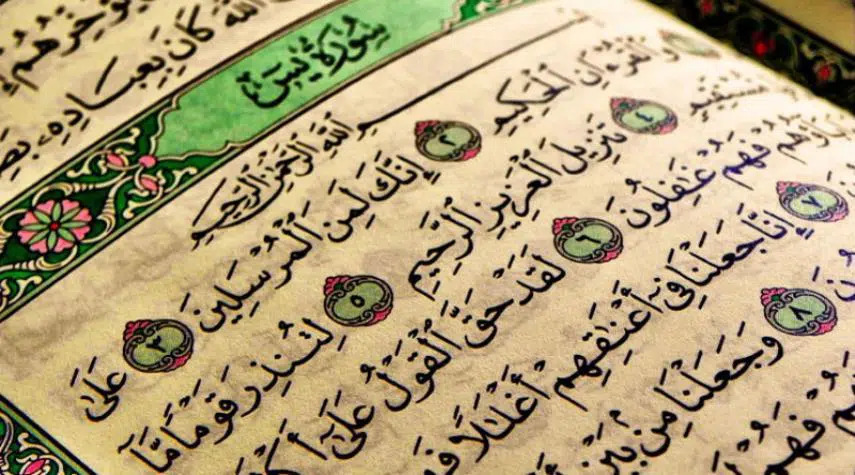
    Surah Yaseen is one of the most important chapters of the Holy Quran. It is often called the “Heart of the Quran” because of its deep spiritual meaning and powerful benefits. Many Muslims around the world recite it daily for blessings, protection, and guidance. This Surah Yaseen blog will explain the Surah Yaseen ki Tilawat, its Urdu Tarjuma, and the benefits of Surah Yaseen according to the Quran and Hadith.

    What is Surah Yaseen?

    Surah Yaseen is the 36th chapter of the Holy Quran, with 83 verses. It was revealed in Makkah and holds a special place in Islamic teachings. The Surah reminds us of Allah’s power, the Day of Judgment, and the truth of Prophet Muhammad (PBUH).

    Quranic Reference:

    “Indeed, We have made it an Arabic Qur’an that you might understand.” (Quran 36:2-3)

    Surah Yaseen Tilawat – Listening & Reciting

    Why is Tilawat of Surah Yaseen Important?

    Tilawat Surah Yaseen brings peace to the heart and increases faith. The Prophet Muhammad (PBUH) encouraged its recitation for seeking forgiveness, ease in difficulties, and spiritual blessings.

    Hadith:

    “Whoever recites Surah Yaseen at night seeking the pleasure of Allah, his sins will be forgiven.” (Ibn Hibban)

    Tilawat Benefits

    • Brings inner peace and contentment.
    • Helps in seeking Allah’s forgiveness.
    • Provides ease during hardships.
    • Brings rewards for the hereafter.

    If you want to listen to Surah Yaseen with Urdu translation, you can find Surah Yaseen download on various Islamic websites and apps.

    Surah Yaseen with Urdu Translation (Urdu Tarjuma)

    Many people prefer reading Surah Yaseen Urdu tarjuma ke sath to understand its deep meanings. Here is a simple translation of the first verse:

    “Yaseen. By the wise Quran. Indeed, you, [O Muhammad], are among the messengers, on a straight path.” (Quran 36:1-4)

    Reading Surah Yaseen Urdu tarjuma ke sath helps in better understanding the message of Allah and its impact on daily life.

    The Spiritual Benefits of Surah Yaseen

    The benefits of Surah Yaseen are countless. Many scholars believe that reciting it daily brings barakah (blessings) and protection.

    Key Benefits of Reciting

    1. Forgiveness of Sins – The Prophet (PBUH) said:”Whoever recites Surah Yaseen in the morning, Allah will fulfill his needs.” (Tirmidhi)
    2. Protection from Hardships – It helps in removing difficulties and easing struggles.
    3. Rewards of the Hereafter – Reciting Surah Yaseen for someone who has passed away brings them peace and mercy.
    4. Healing from Illness – Some scholars recommend reciting it for health and well-being.

    Surah Yaseen Download – Where to Find It?

    Many people search for Surah Yaseen download to listen to it on their phones or laptops. You can find it on:

    • Islamic websites (Tanzil, Quran.com, etc.)
    • YouTube recitations by famous Qaris
    • Quran apps (Muslim Pro, iQuran, etc.)

    Listening to Surah Yaseen with Urdu translation can help in better understanding its meanings.

    Conclusion

    Surah Yaseen is a powerful Surah that brings countless blessings, forgiveness, and protection. Whether you are reading Surah Yaseen ki Tilawat, listening to its Urdu Tarjuma, or seeking its benefits, it is a great source of spiritual peace.

    To fully benefit from Surah Yaseen, read it with understanding, sincerity, and faith in Allah’s mercy. You can also download it to listen and reflect anytime.

    May Allah bless us all with the guidance and wisdom of the Holy Quran. Ameen!

    Frequently Asked Questions (FAQs)

    1. What is the importance of Surah Yaseen?

    Surah Yaseen is called the Heart of the Quran because it summarizes key Islamic teachings about faith, resurrection, and the power of Allah. Read the above Surah Yaseen Blog for better understanding.

    2. When should we recite Surah Yaseen?

    It is best to recite it in the morning, at night, and before sleeping. Some also recite it when praying for ease in difficulties.

    3. What are the rewards of reading Surah Yaseen?

    The Prophet (PBUH) said that reciting Surah Yaseen forgives sins and brings blessings in life and the hereafter.

    4. Can we listen to Surah Yaseen instead of reading it?

    Yes, listening to Surah Yaseen ki Tilawat is also beneficial, but reciting it yourself brings more rewards.

    5. Where can I read Surah Yaseen Urdu Tarjuma ke sath?

    You can find Surah Yaseen with Urdu translation on Islamic websites, Quran apps, and YouTube.

    6. What happens when we recite Surah Yaseen for the deceased?

    It is believed that reciting Surah Yaseen for someone who has passed away brings mercy and blessings upon them.

    7. Is Surah Yaseen a cure for illnesses?

    Some scholars say that reciting Surah Yaseen can bring healing and relief from health problems.

    8. Can non-Arabic speakers benefit from Surah Yaseen?

    Yes! Reading Surah Yaseen Urdu tarjuma ke sath helps non-Arabic speakers understand its message.

    9. How many times should I recite Surah Yaseen for my wishes to come true?

    There is no fixed number, but reading it with sincerity and prayer can bring blessings and guidance.

    10. What is the best way to memorize Surah Yaseen?

    Start by reading a few verses daily, listening to audio recitations, and practicing with translations to understand the meaning.

  • Ramzan 1st, 2nd & 3rd Ashra Dua in Arabic, Urdu, and English with Explanation

    Ramzan 1st, 2nd & 3rd Ashra Dua in Arabic, Urdu, and English with Explanation

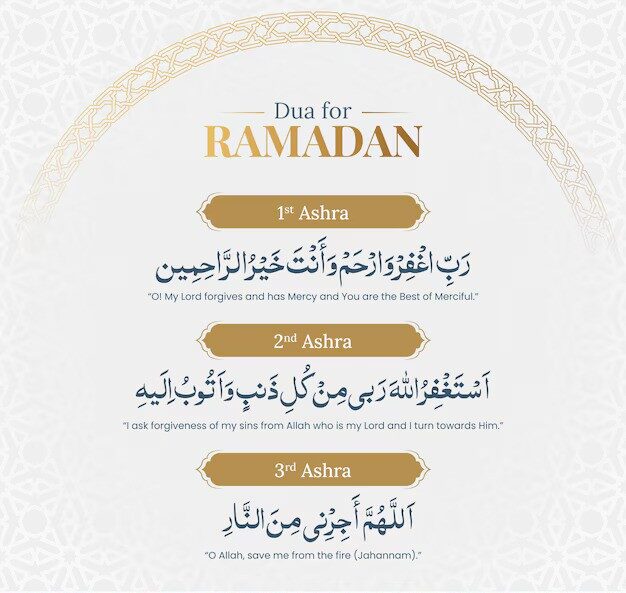
    Ramzan is the holiest month in Islam, divided into three Ashras (ten-day segments), each carrying special significance. Every Ashra has a unique dua that reflects its spiritual theme. This blog will cover Ramzan 1st Ashra dua, 2nd Ashra dua, 3rd Ashra dua, their meanings, benefits, and how to incorporate them into daily worship.

    1st Ashra of Ramzan – The Ashra of Mercy

    The first ten days of Ramzan focus on Allah’s mercy. Muslims seek His forgiveness and blessings during this period.

    Ramzan 1st Ashra Dua

    Arabic:

    يَا حَيُّ يَا قَيُّومُ بِرَحْمَتِكَ أَسْتَغيثُ

    Urdu:

    اے ہمیشہ رہنے والے، اے پالنے والے، میں تیری رحمت سے مدد چاہتا ہوں

    English:

    Oh Everliving, The Everlasting, I seek Your help through Your mercy!

    Explanation & Benefits

    • Mercy of Allah: This Ashra reminds believers that Allah’s mercy is vast and He forgives those who seek Him sincerely.
    • Hadith Reference: The Prophet (PBUH) said, “Allah’s mercy surpasses His wrath.” (Sahih Muslim)
    • Acts of Worship: Increase prayers, Quran recitation, and charity during this Ashra to seek Allah’s mercy.

    2nd Ashra of Ramzan – The Ashra of Forgiveness

    The second Ashra focuses on seeking forgiveness (Maghfirah) from Allah for past sins.

    Ramzan 2nd Ashra Dua

    Arabic:

    اَسْتَغْفِرُ اللّٰهَ رَبِّي مِنْ كُلِّ ذَنْبٍ وَّاَتُوْبُ اِلَيْهِ

    Urdu:

    میں اللہ سے اپنے تمام گناہوں کی بخشش مانگتا ہوں اور اس کی طرف رجوع کرتا ہوں

    English:

    I seek forgiveness from Allah, my Lord, for all my sins and turn to Him in repentance.

    Explanation & Benefits

    • Forgiveness from past sins: This dua teaches us to seek Allah’s pardon for known and unknown sins.
    • Hadith Reference: The Prophet (PBUH) said, “Whoever sincerely seeks forgiveness, Allah will forgive them, even if their sins are as vast as the ocean.” (Tirmidhi)
    • Acts of Worship: Engage in Istighfar (seeking forgiveness), Salat-ul-Tawbah (prayer of repentance), and increased dhikr.

    3rd Ashra of Ramzan – The Ashra of Protection from Hellfire

    The last Ashra emphasizes seeking refuge from Hellfire and striving for salvation.

    Ramzan 3rd Ashra Dua

    Arabic:

    اَللَّهُمَّ أَجِرْنِي مِنَ النَّارِ

    Urdu:

    اے اللہ! مجھے جہنم کی آگ سے بچا لے

    English:

    O Allah! Save me from the Hellfire.

    Explanation & Benefits

    • Seeking salvation: This dua is a plea for protection from the punishment of Hell.
    • Hadith Reference: The Prophet (PBUH) advised, “Ask Allah for Jannah and seek refuge from the Hellfire.” (Sunan Ibn Majah)
    • Acts of Worship: Engage in Qiyam-ul-Lail (night prayers), Itikaf (seclusion in the mosque), and extra supplications.

    Conclusion

    Ramzan is an opportunity to seek mercy, forgiveness, and salvation through sincere worship. By reciting these Ramzan 1st Ashra dua, 2nd Ashra dua and 3rd Ashra dua, we can align ourselves spiritually and seek Allah’s blessings. May Allah accept our prayers and grant us success in this world and the hereafter, Ameen!

  • The Art of Islamic Calligraphy: History, Styles & Techniques

    The Art of Islamic Calligraphy: History, Styles & Techniques

    Introduction

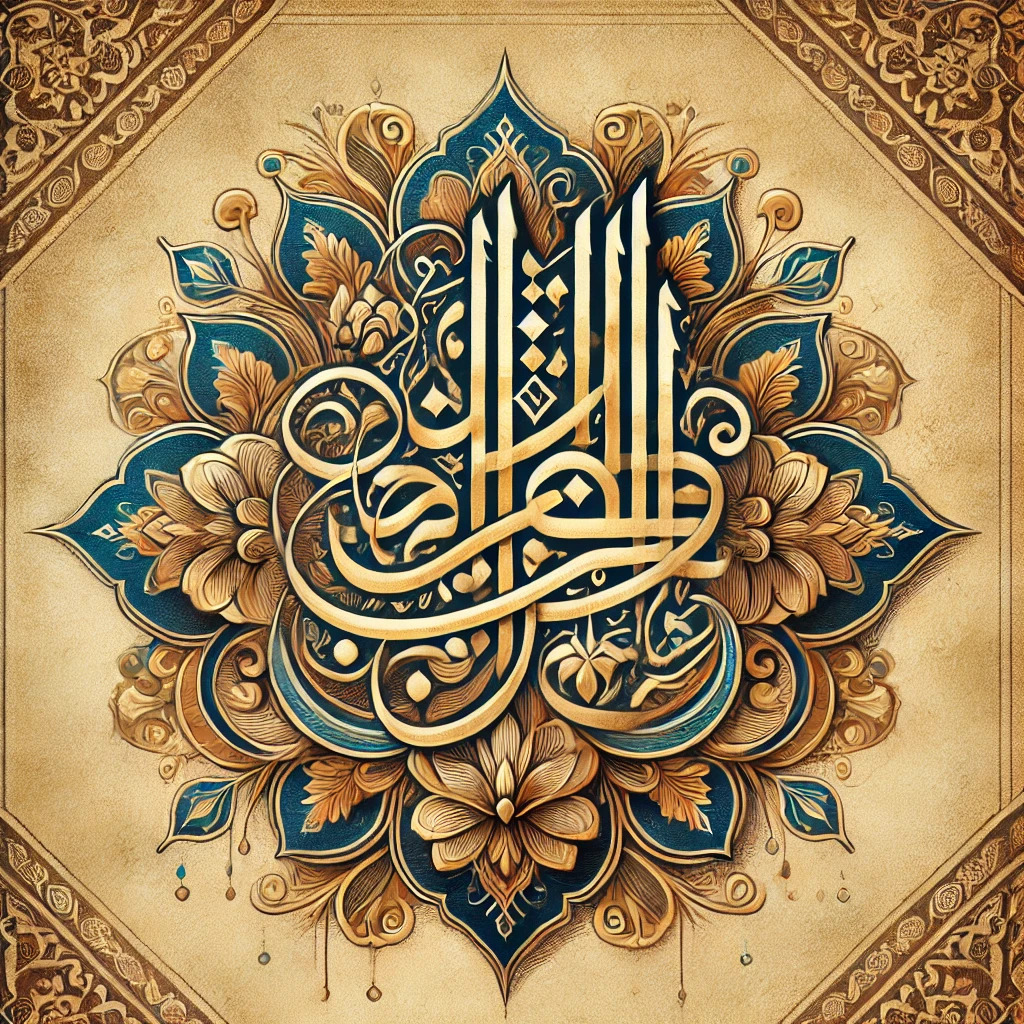
    Islamic calligraphy is a beautiful form of writing that has been an important part of Islamic culture for centuries. It is more than just writing; it is a form of art that reflects deep religious and artistic values. From ancient manuscripts to modern wall art, Islamic calligraphy has evolved while maintaining its spiritual significance. In this blog, we will explore its history, popular styles, and techniques used by calligraphers.

    The History of Islamic Calligraphy

    Calligraphy began with the revelation of the Quran in the 7th century. Muslim artists focused on beautifying the written word since religious art discouraged images of living beings.. Over time, calligraphy became an important part of mosque decorations, manuscripts, and architecture.

    Some of the earliest known forms of Islamic calligraphy include:

    • Kufic Script – One of the oldest and most geometric styles, often seen in early Quran manuscripts.
    • Naskh Script – A more readable and flowing script, commonly used for book writing.
    • Thuluth Script – Known for its elegant curves, used in mosque inscriptions and religious texts.

    Popular Styles of Islamic Calligraphy

    There are many styles of Islamic calligraphy, each with unique characteristics. Some of the most famous ones include:

    Kufic Calligraphy

    This is one of the oldest styles and has a square, angular appearance. It mainly appeared in early copies of the Quran and remains popular in Islamic calligraphy wall art today.

    Naskh Calligraphy

    This script became the standard for copying the Quran due to its clear and readable form. It is widely used in calligraphy paintings and digital designs.

    Thuluth Calligraphy

    This elegant and decorative style is often found in mosques, monuments, and religious books. It has large, curved letters that create a sense of movement.

    Diwani Calligraphy

    Developed during the Ottoman Empire, this style is highly artistic and was often used in official royal documents. It is complex and requires great skill to master.

    Nastaliq Calligraphy

    Common in Persian and Urdu calligraphy, this style is known for its flowing and poetic look. It is often seen in poetry books and artistic calligraphy pieces.

    Techniques Used in Islamic Calligraphy

    Calligraphy requires patience, skill, and the right tools. Some of the key techniques include:

    Choosing the Right Tools

    Traditional calligraphers use:

    • Qalam – A reed pen with a cut tip, allowing for fine strokes.
    • Ink – Usually black or brown, made from natural materials.
    • Paper or Parchment – High-quality surfaces to ensure smooth writing.

    Mastering Proportions and Geometry

    Calligraphy is not just about writing beautifully; it follows strict rules. Each letter must be in perfect proportion to the others. Calligraphers often use mathematical grids to ensure balance and harmony in their work.

    Practicing Repetition

    Calligraphers spend years practicing each letter and word to achieve perfection. The more they practice, the more fluid and graceful their writing becomes.

    Adding Decorative Elements

    Many calligraphy artworks include floral patterns, geometric designs, and gold leaf to enhance their beauty. These decorations often appear in Islamic calligraphy art displayed in homes and mosques.

    The Importance of Islamic Calligraphy in Modern Times

    Calligraphy is still popular today, appearing in mosques, art galleries, home decorations, and digital designs. With modern technology, artists now create digital calligraphy using software, making it more accessible to a global audience.

    People also buy Islamic calligraphy paintings and wall art to decorate their homes with meaningful verses and beautiful designs. The demand for calligraphy is growing, with new artists keeping this ancient tradition alive in fresh and creative ways.

    Conclusion

    Islamic calligraphy is more than just beautiful writing. It is a spiritual and artistic tradition that has lasted for centuries. Whether seen in mosques, books, or modern wall art, it continues to inspire people around the world. By understanding its history, styles, and techniques, we can appreciate the skill and dedication behind this remarkable art form.

  • Patience Meaning in Urdu: An Islamic Perspective on Sabr

    Patience Meaning in Urdu: An Islamic Perspective on Sabr

    Introduction: Understanding Patience (Sabr) meaning in Islam

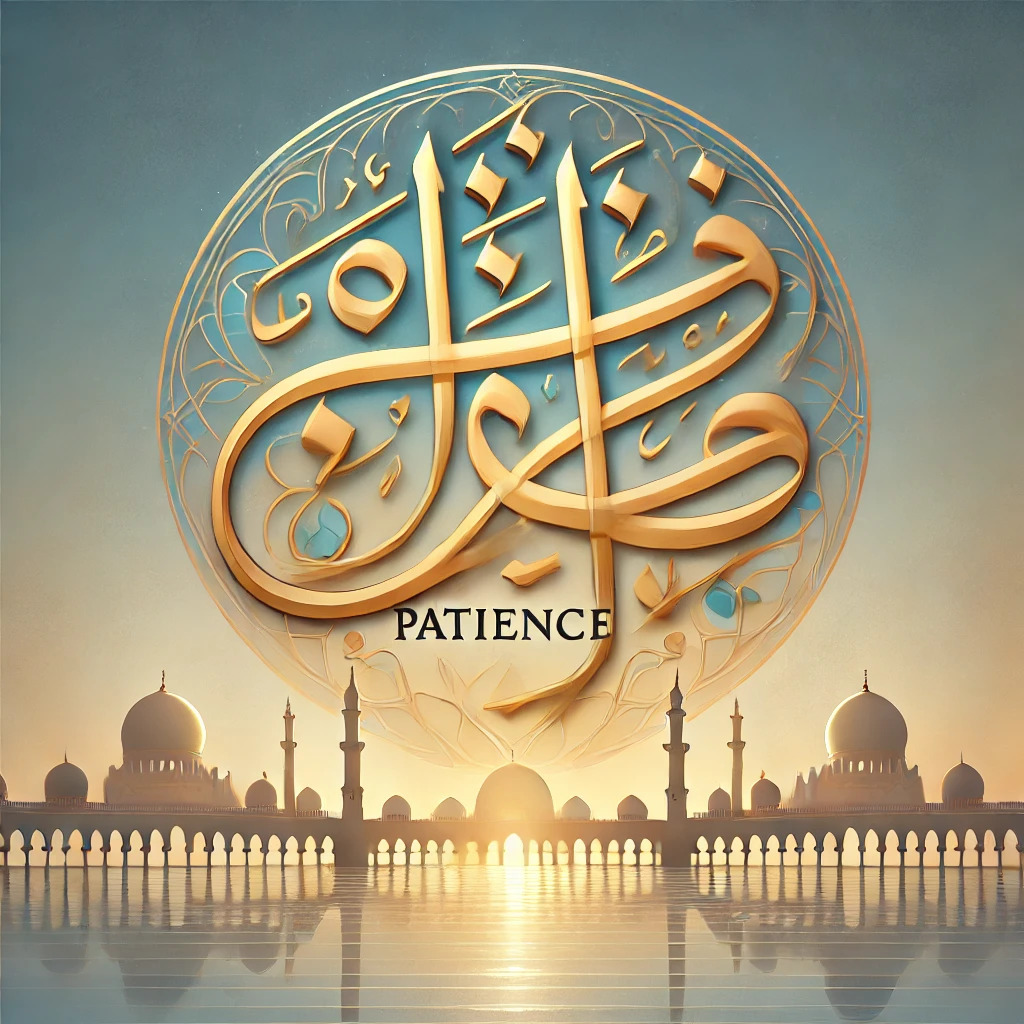
    Patience Meaning in Urdu refers to Sabr (صبر), one of the most important qualities in Islam. It means staying strong, waiting calmly, and trusting Allah (SWT) when facing difficulties. Islam teaches that patience is not just about enduring hardship but about maintaining faith and seeking Allah’s guidance in all aspects of life.

    In this article, we will explore Patience Meaning in Urdu, its significance in Islam, and what the Quran and Hadith say about it. We will also highlight Dua for patience, Sabr ki dua, and Quran verses about patience, which can help us develop this valuable quality.

    1. Patience Meaning in Urdu and Its Origins

    The Urdu word for patience is صبر (Sabr), which originates from Arabic. In Islamic teachings, Sabr means to remain patient, control emotions, and continue believing in Allah (SWT) during times of hardship.

    Different types of patience include:

    • Sabr in worship – Regularly fulfilling religious obligations like prayer and fasting.
    • Sabr in hardship – Facing difficulties with strength and faith.
    • Sabr in avoiding sin – Avoiding wrong actions and staying on the right path.

    2. The Importance of Sabr in Islam

    Patience is a great quality of a true believer. The Quran and Hadith highlight the importance of patience and its greater rewards. The Prophet Muhammad (PBUH) stated that patience is half of faith (Iman).

    One important Quran verse about patience states:

    “Indeed, Allah is with the patient.” (Surah Al-Baqarah 2:153)

    This verse reassures us that Allah’s (SWT) guidance and blessings are granted to those who practice patience.

    3. Sabr and Ramadan: The Month of Patience

    Ramadan is known as the month of patience (شہر الصبر). Muslims fast from sunrise to sunset, controlling hunger, thirst, and emotions, which builds self-control and strengthens faith.

    The Prophet Muhammad (PBUH) said:

    “Fasting is half of patience.” (Ibn Majah 1745)

    During Ramadan, we can recite Sabr ki dua, make prayer for patience, and reflect on Quran verses about patience to build inner strength beyond the holy month.

    4. Quranic Verses About Patience (Sabr Ayat in Quran with Urdu Translation)

    The Quran contains many Sabr ayat in Quran with Urdu translation, highlighting the rewards of patience. Some important verses include:

    • Surah Al-Baqarah 2:155-157:“We will surely test you with fear, hunger, loss of wealth, lives, and crops. But give good news to the patient.”
    • Surah Az-Zumar 39:10:“Those who are patient will receive their reward without limit.”

    These verses highlight that patience brings great rewards from Allah (SWT).

    5. Hadiths About Patience: The Teachings of Prophet Muhammad (PBUH)

    The Prophet Muhammad (PBUH) showed patience in every aspect of his life. Some key hadiths on patience include:

    • The Prophet (PBUH) said:“Whoever remains patient, Allah will grant him patience. No one is given a better gift than patience.” (Sahih Bukhari 1469)
    • Another hadith states:“True patience is at the first moment of calamity.” (Sahih Bukhari 1302)

    These hadiths show that patience is a special gift from Allah and a way to grow spiritually.

    6. Dua for Patience: Powerful Prayers for Sabr

    Islam teaches making dua for patience. Some powerful Dua for patience (Sabar ki dua or Dua for sabr) include:

    • رَبَّنَا أَفْرِغْ عَلَيْنَا صَبْرًا وَثَبِّتْ أَقْدَامَنَا وَانصُرْنَا عَلَى الْقَوْمِ الْكَافِرِينَ“Our Lord, pour upon us patience, make our steps firm, and assist us against the disbelievers.” (Surah Al-Baqarah 2:250)
    • اللَّهُمَّ إِنِّي أَسْأَلُكَ الصَّبْرَ“O Allah, I ask You for patience.”

    Reciting these duas helps in developing strength during challenging times.

    7. How to Develop Patience in Daily Life

    To develop patience, one can:

    • Practice self-control – Manage emotions and avoid quick reactions.
    • Make dua regularly – Seek Allah’s guidance for patience.
    • Trust in Allah’s plan – Believe that every challenge has wisdom behind it.
    • Maintain positivity – Focus on blessings rather than difficulties.

    8. Be Patience Meaning in Urdu: Lessons from Islamic History

    The phrase “Be Patience Meaning in Urdu” translates to صبر کرو. Many prophets and great Islamic figures showed patience, such as:

    • Prophet Ayub (AS) – Faced serious illness and loss but stayed strong in faith.
    • Prophet Yusuf (AS) – Dealth with lies and betrayal with patience and trust in Allah (SWT).
    • Prophet Muhammad (PBUH) – Faced difficulties and opposition with strength and patience.

    These stories inspire us to remain patient in our personal struggles.

    9. Staying Strong in Difficult Times with Sabr

    Life is full of trials, but patience enables us to handle challenges carefully. Important steps to strengthen patience include:

    • Reading sabar ayat – Seeking comfort in Quranic verses.
    • Seeking support – Gaining support from family and friends.
    • Practicing gratitude – Appreciating blessings even in hardships.

    10. The Rewards of Patience (Sabr ka Inam in Islam)

    Islam promises great rewards for those who practice patience:

    Patience not only strengthens faith but also leads to everlasting success.

    Conclusion: The Power of Sabr in Strengthening Faith

    Sabr is an important quality in Islam, helping believers trust Allah, remain strong, and grow spiritually. By reciting Sabr ki dua, making prayers for patience, and reflecting on Quran verses about patience, we can face life’s challenges with confidence.

    Let us remember Allah’s (SWT) words:

    “Indeed, Allah is with those who are patient.” (Surah Al-Baqarah 2:153)

  • How Many Days Left for Ramadan 2025?

    Introduction

    Many Muslims around the world are excited for Ramadan, the holiest month in Islam. As it gets closer, people often ask, “How many days are left for Ramadan?” Knowing the exact date helps in preparing for fasting, prayers, and other activities.

    This guide will answer all your questions about Ramadan 2025, including the expected start date, the Ramadan calendar 2025, and tips on how to prepare for this special month.

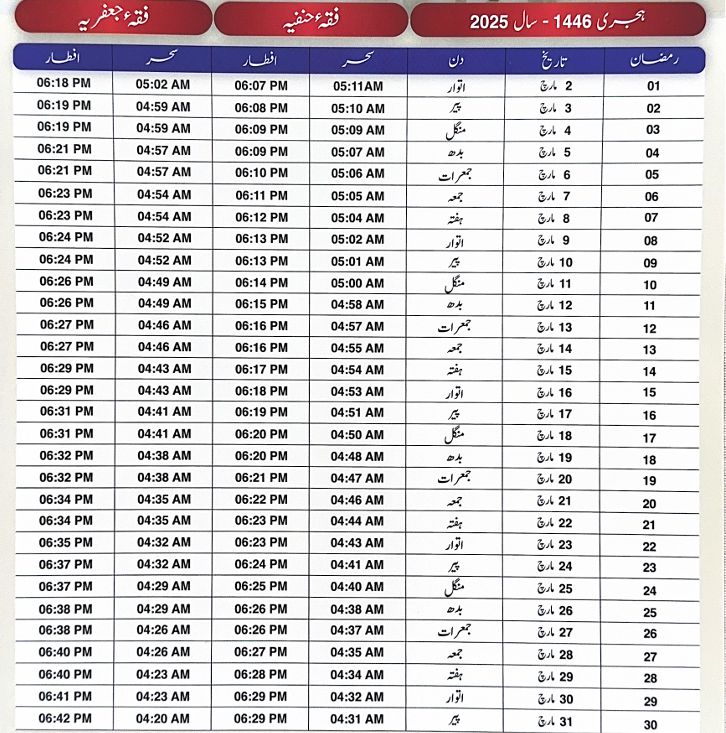
    Ramadan Calender 2025

    Ramadan Calender 2025 showing how many days left for ramadan

    How Many Days Until Ramadan 2025?

    Ramadan follows the Islamic lunar calendar, which means it starts with the sighting of the new moon. Based on predictions, Ramadan 2025 will begin on the evening of March 1, 2025, and last until March 31, 2025. However, the exact date may change depending on the moon sighting in different countries.

    Ramadan 2025 Calendar – Important Dates

    A Ramadan calendar helps Muslims manage their fasting and prayer times. Here are the important dates for Ramadan 2025:

    • Start Date: Evening of March 1, 2025
    • First Fast: March 2, 2025
    • Mid-Ramadan (15th Day): March 16, 2025
    • Last Fast: March 31, 2025
    • Eid-ul-Fitr: April 1, 2025

    Why Is Ramadan Important?

    Ramadan is not just about fasting. It is a time to connect with Allah, purify the heart, and help those in need. Here’s why Ramadan is special:

    • Fasting (Sawm): Muslims do not eat or drink from sunrise to sunset to learn patience and self-control.
    • Prayers: Muslims offer extra prayers, including Taraweeh, at night.
    • Charity (Zakat & Sadaqah): Giving money and food to the poor is encouraged.
    • Quran Reading: Many people try to read or finish the Quran during Ramadan.

    How to Prepare for Ramadan 2025?

    To fully enjoy and benefit from Ramadan, proper preparation is important. Here’s how you can get ready:

    1. Change Your Routine: Start waking up early for Suhoor (pre-dawn meal) and reduce late-night activities.
    2. Plan Healthy Meals: Eat balanced Suhoor and Iftar meals to stay strong and active.
    3. Increase Worship: Start praying more and reading the Quran before Ramadan begins.
    4. Give Charity: Set aside money for Zakat and Sadaqah to help the needy.
    5. Set Goals: Decide how much prayer, Quran reading, and charity you want to do during Ramadan.

    Ramadan Mubarak – A Special Greeting

    As Ramadan approaches, Muslims say “Ramadan Mubarak” to wish each other a blessed month. This greeting is shared in person, over the phone, and on social media to spread joy and positivity.

    Conclusion

    Now that you know how many days are left for Ramadan 2025, it’s time to start preparing for this blessed month. Follow a plan, increase your worship, and take part in charity.

    Ramadan Mubarak to all! May this Ramadan bring peace, happiness, and blessings to you and your family.

    FAQs About Ramadan 2025

    Q1. When does Ramadan 2025 start?
    Ans:
    Ramadan 2025 is expected to start on the evening of March 1, 2025, with the first fast on March 2, 2025.

    Q2. How long will Ramadan last?
    Ans:
    Ramadan will last for 29 or 30 days, ending on the evening of March 30 or 31, 2025.

    Q3. Why is Ramadan important?
    Ans:
    Ramadan is a time for fasting, prayer, charity, and self-improvement for Muslims worldwide.

    Q4. How is the date of Ramadan decided?
    Ans:
    Ramadan starts with the sighting of the new moon according to the Islamic calendar.

    Q5. What are the best foods for Suhoor and Iftar?
    Ans:
    For Suhoor, eat oats, eggs, yogurt, and fruits to stay full longer. For Iftar, start with dates and water, followed by light meals like soup, rice, and grilled food.

    Q6. When is Eid-ul-Fitr 2025?
    Ans:
    Eid-ul-Fitr will be celebrated on March 31 or April 1, 2025, marking the end of Ramadan.

    Q7. Is fasting required for everyone?
    Ans: Fasting is compulsory for all adult Muslims, except those who are sick, pregnant, traveling, nursing, or menstruating.

  • Empowering Muslim Women Entrepreneurs: Success Stories and Strategies

    Introduction

    Women entrepreneurs are shaping the global economy, overcoming challenges, and leading businesses across various industries. Muslim women, in particular, are making great progress in the entrepreneurial world, even though they face unique cultural and social challenges. Their success stories serve as inspiration, while strategic approaches help create opportunities for more women to enter and succeed in business.

    The Rise of Women Entrepreneurs in the Muslim World

    Entrepreneurship among Muslim women has grown exponentially over the years, driven by factors such as increased access to education, digital advancements, and supportive policies. Women are thriving in various fields, including small businesses, e-commerce, technology, and fashion.

    • Growth in Entrepreneurship: More women are establishing businesses, taking advantage of digital platforms and social media for visibility and growth.
    • Breaking Stereotypes: They are challenging traditional expectations and proving their capabilities in the business world.
    • Global Influence: Women-led businesses are expanding beyond local markets, gaining international recognition and success.

    Success Stories of Muslim Women Entrepreneurs

    Many Muslim women have emerged as successful entrepreneurs, overcoming challenges and setting examples for ambitious businesswomen. Some remarkable figures include:

    • Huda Kattan (Huda Beauty, UAE): A beauty industry leader who built a billion-dollar cosmetics empire, leveraging social media and influencer marketing.
    • Dr. Iffat Zafar (Sehat Kahani, Pakistan): Co-founder of a telemedicine platform connecting female doctors with underserved patients.
    • Amani Al-Khatahtbeh (MuslimGirl, USA): Founder of a media platform empowering Muslim women through storytelling and support.
    • Sara Al Madani (Serial Entrepreneur, UAE): A business leader in fashion, tech, and branding, promoting women’s empowerment in the Middle East.

    These women show strength, creativity, and strategic growth, inspiring a new generation of entrepreneurs.

    Challenges Faced by Muslim Women Entrepreneurs

    Even with their success, many entrepreneurs face obstacles that can affect business growth:

    • Cultural & Social Barriers: In some societies, women face restrictions on mobility, networking, and financial independence.
    • Limited Access to Funding: Many struggle to secure investment due to biases in financial institutions and investor networks.
    • Balancing Family & Business: Managing business responsibilities alongside household duties remains a challenge.
    • Lack of Mentorship: A shortage of female mentors makes it harder for ambitious entrepreneurs to gain guidance and support.

    Strategies for Success in Business

    To overcome challenges and build successful businesses, womens can adopt the following strategies:

    • Leverage Digital Platforms: Utilize social media, e-commerce websites, and digital marketing to reach a large audience.
    • Build Strong Networks: Connect with industry leaders, join business communities, and seek mentorship.
    • Secure Funding: Explore government grants, Islamic financing, and funding options tailored for women entrepreneurs for women entrepreneurs.
    • Invest in Skill Development: Continuous learning through business courses, workshops, and industry events enhances expertise.
    • Promote Work-Life Balance: Time management and delegation help in balancing business and personal life effectively.

    Government & Private Initiatives Supporting Women Entrepreneurs

    Various programs and organizations are actively supporting Muslim women in entrepreneurship:

    • Pakistan’s Women Entrepreneurship Program (WEP): Offers training, mentorship, and financial assistance.
    • SheTrades (International Trade Centre): Helps them connect with global markets.
    • Islamic Development Bank’s Women Entrepreneurs Initiative: Provides funding and resources for female-led businesses.
    • Dubai Business Women Council (DBWC): Supports women in business through networking and capacity-building programs.

    Such steps play a important role in empowering women entrepreneurs and creating a welcoming business environment.

    The Future of Women Entrepreneurs in the Muslim World

    The future of women entrepreneurship looks promising as more initiatives, policies, and digital opportunities emerge. Key trends include:

    • Rise of E-Commerce: Online businesses are creating new opportunities for women to work from home and expand globally.
    • More Investment in Women-Led Startups: Increasing awareness and dedicated funds are boosting female entrepreneurship.
    • Greater Representation in Leadership Roles: Women are stepping into decision-making positions, influencing industry trends.
    • Continued Advocacy for Inclusion: Efforts to address gender gaps in business and finance will further empower women entrepreneurs.

    Conclusion

    Muslim women entrepreneurs are overcoming obstacles, driving progress, and contributing significantly to the global economy. Their journey is marked by resilience, strategic planning, and a drive for success. With continued support, mentorship, and opportunities, the future for women entrepreneurs in the Muslim world is bright. Ambitious businesswomen can take inspiration from successful role models and leverage available resources to build their own entrepreneurial journeys.

  • Charity and Giving in Ramadan: The Importance of Zakat and Sadaqah

    Introduction to Ramadan

    Ramadan is a month of fasting, prayer, and spiritual growth, but it is also a time for generosity and helping those in need. Giving charity in Ramadan holds great importance in Islam, with Zakat and Sadaqah playing a key role in supporting disadvantaged communities. As we approach this sacred month, many Muslims ask, “How many days left for Ramadan?” This excitement serves as a reminder to prepare not only for fasting but also for acts of kindness and charity.

    1. How Many Days Left for Ramadan? Preparing for the Blessed Month

    • Many Muslims eagerly wait for Ramadan and track how many days are left before it begins.
    • Islamic scholars determine the first day of Ramadan based on lunar calendar calculations.
    • Knowing the countdown to Ramadan helps in planning fasting, prayers, and charity contributions in advance.
    • Preparing early for Zakat and Sadaqah ensures that donations reach those in need on time.

    2. The Importance of Charity in Ramadan

    • Charity is highly encouraged in Islam, and Ramadan is the best time to give.
    • Acts of giving purify wealth, strengthen faith, and support those in need.
    • Giving charity in Ramadan brings 70 times more reward than giving at any other time of the year.
    • Zakat (obligatory charity) and Sadaqah (voluntary charity) hold spiritual and social importance.
    • The Prophet Muhammad (PBUH) said: “The best charity is that given in Ramadan.” (Tirmidhi)

    3. Understanding Zakat: The Obligation of Giving

    3.1 What is Zakat?

    • Zakat is a mandatory form of charity that purifies wealth and helps those in need.
    • It is calculated as 2.5% of one’s savings and assets above a set minimum amount (Nisab).

    3.2 Who is Eligible for Zakat?

    • The poor (those with insufficient means to meet their basic needs)
    • The needy (those who do not ask for help but struggle financially)
    • Zakat collectors (those appointed to manage and distribute Zakat)
    • New Muslims (to strengthen their faith and integration into the Muslim community)
    • Slaves and captives (to help in their freedom)
    • People in debt (who cannot repay their debts)
    • Those striving in the cause of Allah (e.g., students of Islamic knowledge, community workers)
    • Travelers in distress (stranded travelers with no financial means)

    4. Sadaqah: The Power of Voluntary Charity

    4.1 Different Forms of Sadaqah

    • Monetary donations to support the poor.
    • Providing food and water for Iftar and Suhoor.
    • Helping build mosques, schools, and hospitals.
    • Acts of kindness, such as feeding stray animals or assisting neighbors.

    4.2 Sadaqah Jariyah: Continuous Charity

    • A long-term charitable act that provides ongoing benefits.
    • Examples: Donating a Quran, planting trees, or funding education.

    5. Ramadan in Pakistan: The Spirit of Giving

    5.1 How Charity Transforms Lives in Pakistan

    • Many NGOs, welfare organizations, and individuals actively distribute Zakat and Sadaqah.
    • Free Iftar and Suhoor meals are arranged for the underprivileged.
    • Ramadan donation drives support orphanages, hospitals, and disaster relief efforts.
    • Notable NGOs in Pakistan for Zakat and Sadaqah: JDC foundation, Edhi Foundation, Saylani Welfare Trust, Chhipa Welfare Association, Al-Khidmat Foundation, and many more.

    5.2 Role of Online Donations and Digital Giving

    • Digital platforms make donating easier and more accessible.
    • Many organizations in Pakistan accept online Zakat and Sadaqah contributions.

    Conclusion

    With Ramadan approaching, it’s essential to not only prepare for fasting and prayer but also to fulfill our duty of giving. Tracking how many days are left for Ramadan helps us plan our acts of kindness in advance. Whether through Zakat, Sadaqah, or community service, every contribution makes a difference. As we embrace Ramadan in Pakistan, let’s spread generosity and compassion to those in need, ensuring that everyone can experience the blessings of this holy month.

  • Difference Between Islamic Banking and Conventional Banking

    Introduction

    Banking plays a crucial role in the financial stability of individuals, businesses, and economies. However, not all banking systems operate under the same principles. Two well-known models are Islamic Banking and Conventional Banking. While both serve the purpose of financial management, they have major differences in their principles, profit models, ethical considerations, and risk-sharing mechanisms. This article provides an in-depth comparison of Islamic banking vs conventional banking, highlighting their key differences, advantages, and global presence.

    What is Islamic Banking?

    Islamic Banking is a Shariah-compliant banking system that operates on the principles of Riba-free (interest-free) finance and risk-sharing. It follows Islamic financial laws, ensuring that all transactions align with ethical and socially responsible practices.

    Key Principles of Islamic Banking:

    • No Interest (Riba-free): Islamic banks do not charge or pay interest, as it is considered unfair and harmful.
    • Profit and Loss Sharing: Instead of interest, Islamic banks engage in profit-sharing arrangements through contracts like Mudarabah (investment partnerships) and Musharakah (joint ventures).
    • Ethical Investments: Funds cannot be invested in haram (forbidden) industries such as alcohol, gambling, or high-risk businesses.
    • Asset-backed Financing: Every financial transaction must be backed by real assets to prevent risky speculation.

    What is Conventional Banking?

    Conventional Banking is a globally accepted financial system that operates on an interest-based model. It facilitates economic activities through lending, borrowing, and investment, focusing primarily on maximizing profit for banks and their shareholders.

    Key Principles of Conventional Banking:

    • Interest-Based Transactions: Banks charge interest on loans and pay interest on deposits.
    • Profit Maximization: The primary goal is to maximize shareholder returns, often through interest earnings.
    • No Religious Restrictions: Conventional banks invest in various industries without considering ethical or religious guidelines.
    • Risk Transfer: The borrower takes on most of the financial risk, as banks do not typically engage in risk-sharing.

    Islamic Banking vs Conventional Banking: Key Differences

    FeatureIslamic BankingConventional Banking
    PrincipleShariah-compliantInterest-based system
    Profit ModelProfit-sharing (Mudarabah, Musharakah)Interest income (Riba)
    Risk ApproachRisk-sharing between banks and customersRisk transfer to borrowers
    Investment EthicsProhibits unethical businesses (e.g., alcohol, gambling)No ethical investment restrictions
    Loan SystemLoans are backed by tangible assetsUnsecured or secured loans with interest
    Money CreationBased on asset-backed financingCreated through interest-bearing loans
    Economic ImpactEncourages ethical financing and financial inclusionCan lead to economic inequalities due to interest accumulation

    Pros and Cons of Islamic and Conventional Banking

    Pros of Islamic Banking:

    • Ethical and Transparent: Ensures socially responsible investments.
    • Risk-Sharing Model: Encourages fair distribution of profits and losses.
    • Stable Financial System: Less prone to economic crises caused by excessive speculation.

    Cons of Islamic Banking:

    • Limited Product Availability: Fewer financial instruments compared to conventional banking.
    • Regulatory Challenges: Compliance with Shariah principles makes standardization difficult.
    • Higher Transaction Costs: Due to complex legal structures and asset-backed financing.

    Pros of Conventional Banking:

    • Wider Range of Financial Products: Offers various loan, investment, and credit options.
    • Standardized Global Operations: Easier to manage and connect with the global financial system into the global financial system.
    • Greater Flexibility: Allows businesses and individuals more financial maneuverability.

    Cons of Conventional Banking:

    • Interest-Based System: Can lead to excessive debt burdens on individuals and businesses.
    • Profit-Driven Model: Focuses more on shareholder profits than on social responsibility.
    • Risk to Borrowers: Financial risks are primarily transferred to customers rather than shared.

    Islamic and Conventional Banks in Pakistan and Worldwide

    Islamic Banks in Pakistan:

    • Meezan Bank
    • Al Baraka Bank
    • Dubai Islamic Bank Pakistan
    • Bank Islami

    Conventional Banks in Pakistan:

    • Habib Bank Limited (HBL)
    • United Bank Limited (UBL)
    • MCB Bank
    • National Bank of Pakistan (NBP)

    Global Islamic Banks:

    • Al Rajhi Bank (Saudi Arabia)
    • Kuwait Finance House (Kuwait)
    • Abu Dhabi Islamic Bank (UAE)
    • Qatar Islamic Bank (Qatar)

    Global Conventional Banks:

    • JPMorgan Chase (USA)
    • HSBC (UK)
    • Citibank (USA)
    • Barclays (UK)

    Business Banking, Consumer Loans, and Investment Models

    1. Business Banking:

    • Islamic Banking: Provides Shariah-compliant financing through Musharakah (joint ventures) and Murabaha (cost-plus financing).
    • Conventional Banking: Offers traditional business loans with fixed or variable interest rates.

    2. Consumer Loans:

    • Islamic Banking: Provides Ijara (leasing) and Murabaha financing instead of conventional interest-based loans.
    • Conventional Banking: Provides personal loans, home loans, and credit cards with interest charges.

    3. Investment Models:

    • Islamic Banking: Encourages ethical investments via Sukuk (Islamic bonds) and Shariah-compliant mutual funds.
    • Conventional Banking: Offers a variety of investment options, including stocks, bonds, derivatives, and high-interest savings accounts.

    Conclusion

    The choice between Islamic banking and conventional banking depends on an individual’s financial goals, ethical beliefs, and risk preferences. Islamic banking offers an ethical, risk-sharing alternative that aligns with Shariah principles, while conventional banking provides flexibility and a diverse range of financial products. As the global financial landscape evolves, both banking systems continue to grow and adapt to meet the needs of modern consumers and businesses.

    Understanding the fundamental differences between these banking systems helps individuals make informed financial decisions that align with their values, financial objectives, and long-term economic well-being.